Hablamos Español
Your pet looked completely fine this morning. But here is the thing: most animals are wired to hide pain and discomfort until a problem becomes serious. That is why regular checkups are one of the most powerful tools a pet owner has. Pet wellness exam frequency is not a one-size-fits-all answer. Age, species, breed, and individual health history all shape how often your dog or cat needs to see a veterinarian. Whether you have a playful puppy, a senior cat, or a perfectly healthy adult dog, knowing the right schedule can genuinely add years to your pet’s life. This article breaks down exactly how often your dogs and cats should be seen, what happens during a wellness visit, and why staying on schedule matters more than most owners realize.
How often should dogs and cats get wellness exams?
Most healthy adult dogs and cats need a wellness exam once a year. That single annual visit allows your veterinarian to establish a health baseline, catch subtle changes in weight or organ function, update vaccinations on schedule, screen for parasites, and evaluate dental health before small issues turn into costly problems.
However, frequency shifts based on your pet’s life stage:
- Puppies and kittens (under 1 year): Every 3 to 4 weeks from 6 to 16 weeks of age, then every 6 months through the first year. This rapid-visit schedule supports vaccine series completion, parasite prevention, and early behavioral guidance.
- Adult pets (1 to 7 years): Once annually for dogs and cats in good health. An annual vet checkup for dogs in this stage covers a physical exam, bloodwork, dental screening, and preventive care review.
- Senior and geriatric pets (7+ years for dogs, 10+ years for cats): Every 6 months. Organ function, joint health, thyroid levels, and weight changes happen fast in older animals. Twice-yearly visits help catch problems while they are still manageable.
If your pet has a chronic condition such as diabetes, kidney disease, or heart disease, your veterinarian may recommend visits every 3 to 4 months regardless of age.
What happens during a wellness visit
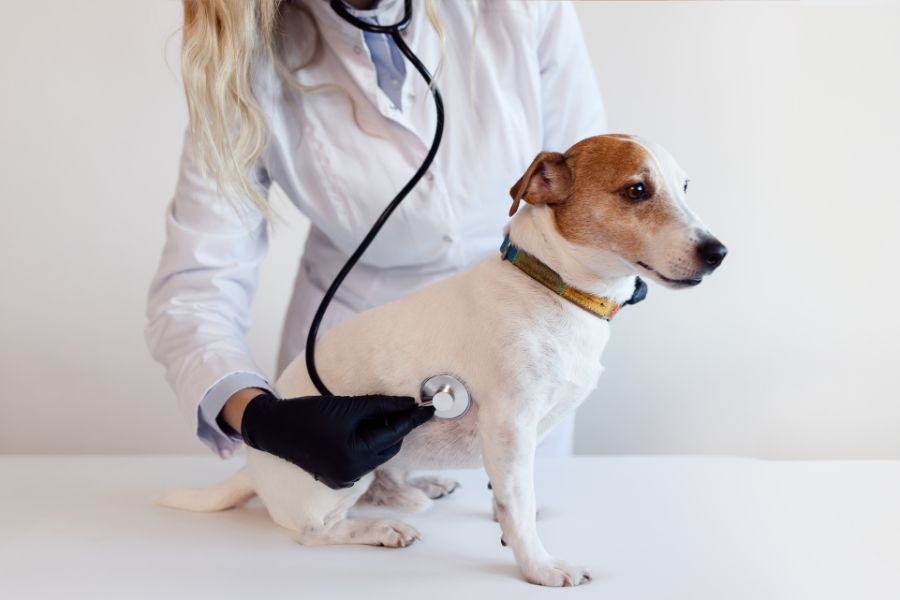
A wellness exam is far more than a quick look-over. During a typical visit, your veterinarian performs a nose-to-tail physical assessment that covers far more ground than owners often expect.
Here is what a standard wellness appointment includes:
- Weight check and body condition score — Weight changes, even small ones, can indicate early metabolic or digestive problems.
- Heart and lung auscultation — Listening for abnormal rhythms, murmurs, or respiratory changes.
- Abdominal palpation — Feeling for organ size changes, tenderness, or unusual masses.
- Skin, coat, and ear assessment — Checking for parasites, infections, or signs of allergies.
- Eye and dental exam — Evaluating early dental disease, corneal changes, or early cataract formation.
- Parasite screening — Fecal and heartworm testing where appropriate.
- Vaccine review — Updating any vaccines due based on your pet’s specific risk factors and lifestyle.
- Bloodwork recommendation — Especially important for senior pets and those on long-term medications.
One observation we see repeatedly: pet owners are often surprised by findings on a routine exam. A dog brought in for a yearly physical turns out to have early dental disease or a small mass that would have gone unnoticed for another year. Wellness visits catch exactly those kinds of things.
Why is a cat wellness visit schedule different from dogs
Cats have a reputation for hiding illness extraordinarily well, which makes consistent veterinary visits even more critical. A cat wellness visit schedule that lapses for two or three years can mean missing early kidney disease, hyperthyroidism, or dental pain that the cat has quietly been living with.
Cats also age faster than many owners realize. A 10-year-old cat is roughly equivalent in physiological terms to a person in their mid-50s. By age 12 or 13, significant organ changes are common. That is why the shift to twice-yearly exams for cats over 10 is not a suggestion; it is a genuine medical need.
One common misconception is that indoor cats do not need regular vet visits because they are not exposed to outdoor risks. In reality, indoor cats are just as susceptible to dental disease, obesity, diabetes, and hyperthyroidism as outdoor cats. A consistent cat wellness visit schedule is not about what your cat is exposed to; it is about detecting what is quietly developing inside.
Preventive care for pets pays off long-term
One of the most consistent findings in veterinary medicine is that pets who receive regular preventive care for pets live longer and experience fewer urgent health crises. Annual exams allow for early detection of conditions like kidney disease, hypothyroidism, or cancer at stages when treatment is far more effective and less invasive.
Bloodwork run during a routine wellness visit can detect kidney disease before a pet shows any outward symptoms. By the time a dog or cat starts drinking excessively or losing weight from kidney failure, a significant percentage of kidney function is already lost. Catching those early lab changes changes the entire trajectory of care.
Preventive care for pets also reduces the emotional and financial strain on pet owners. Treating a condition caught early is almost always less intensive than managing a disease that has been quietly progressing for a year or two without detection.
In Cincinnati, OH, where humid summers bring increased parasite activity, including fleas, ticks, and heartworm-carrying mosquitoes, staying current on preventive screenings is especially important. Annual wellness visits are the right time to review and adjust your prevention protocol based on your pet’s actual risk exposure.
Senior pet health exams: why twice a year matters
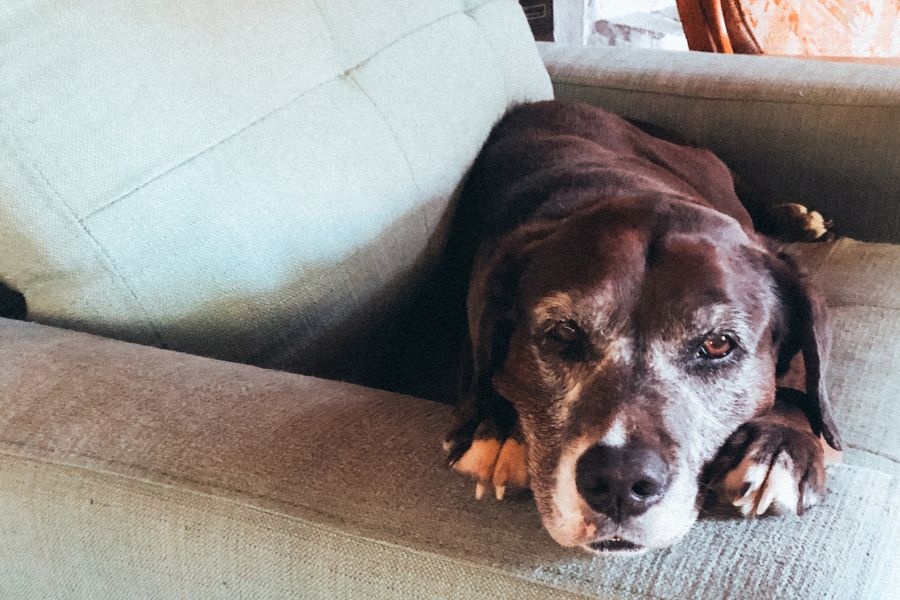
The shift to senior pet health exams every six months is one of the most important changes a pet owner can make for an aging animal. For dogs and cats over seven, a year is a very long time. Conditions that are minor at one visit can become serious within six months.
Senior pet health exams typically expand in scope compared to adult visits. Your veterinarian may add a full chemistry panel and complete blood count, urinalysis, thyroid testing, and blood pressure measurement. In larger breed dogs, joint assessment and mobility scoring become part of the routine as well.
Dr. Caitlin Thompson, one of the veterinarians at Kyle Veterinary Hospital, brings a thoughtful perspective to this topic. In her experience, the twice-yearly schedule for senior pets allows the care team to track subtle trends in bloodwork and physical condition that would simply be invisible on an annual calendar. Those trend lines, she notes, are often what make early intervention possible before a senior pet’s quality of life is affected.
What to do between wellness visits
Regular exams are your veterinary team’s responsibility. Between visits, yours is at-home monitoring. Knowing your pet’s normal helps you catch when something is off.
Watch for these changes and contact your vet if you notice them:
- Sudden changes in appetite or water consumption
- Unexplained weight loss or gain over 2 to 3 weeks
- Changes in energy level, mobility, or willingness to play
- New lumps, bumps, or skin changes
- Digestive changes lasting more than 24 to 48 hours
- Behavioral shifts, increased hiding, or reduced grooming in cats
You do not need to wait for a scheduled exam if something feels wrong. Prompt veterinary attention for concerning signs is always the right call.
Conclusion
Staying on schedule with wellness visits, keeping up with your at-home observations, and partnering with a veterinary team you trust are the three pillars of a long and healthy life for your dog or cat. Consistent pet wellness exam frequency is the single most reliable thing you can do to protect your pet from problems that grow quietly in the background. Kyle Veterinary Hospital is here to support every stage of your pet’s life. Book an appointment today.
Frequently Asked Questions
Q: How often should a healthy adult dog see the vet?
Ans: A healthy adult dog between the ages of 1 and 7 should have a wellness exam once a year. This annual visit covers a full physical examination, parasite screening, dental evaluation, vaccination updates, and a discussion of any behavioral or nutritional concerns.
Q: Do indoor cats really need annual vet visits?
Ans: Yes. Indoor cats are not protected from dental disease, obesity, diabetes, hyperthyroidism, or age-related organ changes. A consistent annual or semi-annual wellness schedule is just as important for indoor cats as for those with outdoor access.
Q: When should my pet switch to twice-yearly exams?
Ans: Most veterinarians recommend transitioning to twice-yearly wellness visits when dogs reach 7 years of age and cats reach 10 years. Larger dog breeds may benefit from the shift even earlier, around age 5 to 6, due to their accelerated aging process.
Q: What is included in a senior pet wellness exam?
Ans: Senior wellness exams typically include everything in a standard adult exam plus expanded bloodwork, urinalysis, thyroid testing, and blood pressure measurement. Your veterinarian may also assess mobility, joint comfort, and cognitive function depending on your pet’s age and breed.
Q: What if my pet seems perfectly healthy? Do we still need a yearly visit?
Ans: Absolutely. Many conditions, including kidney disease, dental disease, and early-stage cancer, show no outward symptoms in the early stages. A wellness exam allows your veterinarian to detect those silent changes before they become serious, which leads to better outcomes and a better quality of life for your pet.