Hablamos Español


Quality Care for Puppies and Kittens
Welcoming a new puppy or kitten into your home is an exciting and joyful experience. However, it also comes with a lot of responsibility, including providing proper veterinary care for your new furry friend. Our Cincinnati, OH veterinary team is here to guide you every step of the way!
Veterinary Care
Puppies and kittens require regular check-ups and medical care to ensure they are healthy and thriving. These early visits to the veterinarian are crucial for detecting any potential health issues and preventing them from becoming more serious. Additionally, regular veterinary care can help socialize your pet and make them more comfortable with future visits.
Puppy & Kitten Vaccinations
There are several vaccines that are essential for the health and well-being of your puppy or kitten. These include:
- DHPP (Dogs)
- FVRCP
- Rabies (Dogs and Cats)
Vaccination Schedule
The recommended vaccination schedule for puppies and kittens is as follows:
Puppy
Vaccine Schedule
The following is a general guideline for the recommended puppy vaccine schedule:
- 6-8 weeks: Distemper, parvovirus, adenovirus, and parainfluenza
- 10-12 weeks: Distemper, parvovirus, adenovirus, parainfluenza, and leptospirosis
- 14-16 weeks: Distemper, parvovirus, adenovirus, parainfluenza, leptospirosis, and rabies
- 12-16 months: Distemper, parvovirus, adenovirus, parainfluenza, leptospirosis and rabies (booster)
Kitten
Vaccine Schedule
The following is a general guideline for the recommended kitten vaccine schedule:
- 6-8 weeks: Feline herpesvirus, feline calicivirus, and feline panleukopenia
- 10-12 weeks: Feline herpesvirus, feline calicivirus, and feline panleukopenia
- 14-16 weeks: Feline herpesvirus, feline calicivirus, feline panleukopenia, and rabies
- 12-16 months: Feline herpesvirus, feline calicivirus, feline panleukopenia, and rabies (booster)
It is important to note that this is a general guideline and may vary depending on your pet’s health and lifestyle. We will create a personalized vaccination schedule for your puppy or kitten based on their individual needs.
Nutrition and Weight Management
Obesity in pets can lead to a variety of health issues, including diabetes, heart disease, and joint problems. It’s important to monitor your puppy or kitten’s weight and make adjustments to their diet and exercise routine as needed to prevent these health problems.
Nutrition
In addition to managing your pet’s weight, it’s important to ensure that they are receiving proper nutrition.
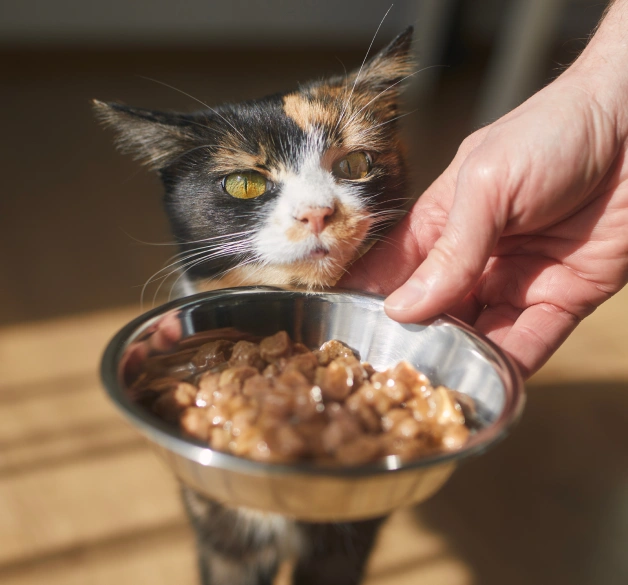
Here are some key nutrients to look for in your pet’s food:
Protein is essential for puppies and kittens as it helps with muscle and tissue growth. Look for pet foods that list a protein source as the first ingredient, such as chicken, beef, or fish.
Parasite Protection
Parasites are organisms that live on or inside another organism, known as the host, and rely on the host for survival. They can be found in various forms, including worms, fleas, ticks, and mites. Parasites can cause a range of health issues in puppies and kittens, from mild irritation to life-threatening conditions.
Common Parasites in Puppies and Kittens
- Fleas
- Ticks
- Roundworms
- Hookworms
- Earmites
Testing for Parasites
Regular testing for parasites is essential for the health of your puppy or kitten. We will perform a fecal exam to check for the presence of internal parasites such as roundworms and hookworms. We can also perform a skin scraping to check for external parasites like fleas and mites.
It is recommended to have your puppy or kitten tested for parasites at least once a year, or more frequently if they show symptoms of a parasitic infection. Early detection and treatment can prevent serious health issues and ensure the well-being of your pet.
Preventing Parasites in Puppies and Kittens
Preventing parasites in puppies and kittens is key to keeping them healthy and happy. Here are some tips to help prevent parasitic infections in your furry friends:
- Keep your pet’s living area clean and free of feces, as this can attract parasites.
- Regularly groom your pet to check for signs of fleas, ticks, and mites.
- Use flea control products as recommended by your veterinarian.
- Keep your pet away from areas where parasites are commonly found, such as wooded areas and tall grass.
- Wash your pet’s bedding regularly.
- Keep your pet’s vaccinations up to date to prevent certain parasitic infections.
FIV/FeLV Testings in Kittens
FeLV is a virus that affects cats and can lead to a weakened immune system, anemia, and other serious health issues. It is highly contagious and can be transmitted through saliva, blood, and urine.
FIV is a virus that attacks a cat’s immune system, making them more susceptible to other infections and illnesses. It is also highly contagious and can be transmitted through bites, scratches, and even grooming.
Both FeLV and FIV can have serious consequences for your cat’s health, and unfortunately, there is no cure for either virus. However, early detection and management can greatly improve your cat’s quality of life and increase their chances of living a long and healthy life.
The Importance of Testing
Testing for FeLV and FIV is crucial for the health and well-being of your cat. Kittens are particularly vulnerable to these viruses, as their immune systems are not fully developed. Testing can help identify if your kitten has been exposed to the virus and allow for early intervention and management.
Early Detection and Treatment
Early detection is key when it comes to FeLV and FIV. The earlier these viruses are detected, the better the chances of managing them and preventing further health complications. If your kitten tests positive for FeLV or FIV, we will work with you to develop a treatment plan that is tailored to your cat’s needs. This may include medications, supplements, and regular check-ups to monitor their health.
Preventing the Spread of the Virus
Testing is also important for preventing the spread of these viruses. If your kitten tests positive, it’s important to keep them away from other cats to prevent transmission. This is especially important if you have other cats in your household, as they can easily contract the virus through close contact. By testing and identifying infected cats, you can take necessary precautions to prevent the spread of the virus to other cats in your home.
Peace of Mind for Cat Owners
As a cat owner, it’s natural to worry about your furry friend’s health. By getting your kitten tested for FeLV and FIV, you can have peace of mind knowing that you are taking necessary steps to keep them healthy.
When to Test Kittens
It’s recommended to test kittens for FeLV and FIV at around 8-12 weeks of age. This is when they are most vulnerable to these viruses and when early detection can make a significant difference in their health.
How is Testing Done?
FeLV and FIV testing in kittens is a simple and quick process. We will take a small blood sample from your kitten and use a SNAP test in-house to test the sample. The results can usually be obtained within 10-20. minutes. We will discuss the results with you and provide necessary recommendations for treatment or management.
Puppy & Kitten Microchipping
Microchipping is a simple and safe procedure that involves inserting a tiny microchip, about the size of a grain of rice, under your pet’s skin. The chip contains a unique identification number that can be scanned by a microchip reader. This number is linked to your contact information in a national pet recovery database, making it easy for shelters and veterinarians to contact you if your pet is found.
Spaying and Neutering
Spaying and neutering are surgical procedures that involve removing the reproductive organs of an animal. Spaying is the term used for female animals, while neutering is used for male animals. These procedures are performed by a veterinarian and are considered routine surgeries.
Why Is Spaying/Neutering Important?
Controlling the Pet Population
One of the main reasons why spaying and neutering are important is to control the pet population. Every year, millions of animals end up in shelters, and many of them are euthanized due to overpopulation. By spaying and neutering your pets, you are preventing them from reproducing and contributing to the already overwhelming number of homeless animals.
Health Benefits for Your Pet
Spaying and neutering also have numerous health benefits for your pet. For female animals, spaying eliminates the risk of uterine infections and reduces the risk of breast cancer. For male animals, neutering can prevent testicular cancer and reduce the risk of prostate problems. These procedures can also help reduce behavioral issues such as aggression and roaming.