
Hablamos Español
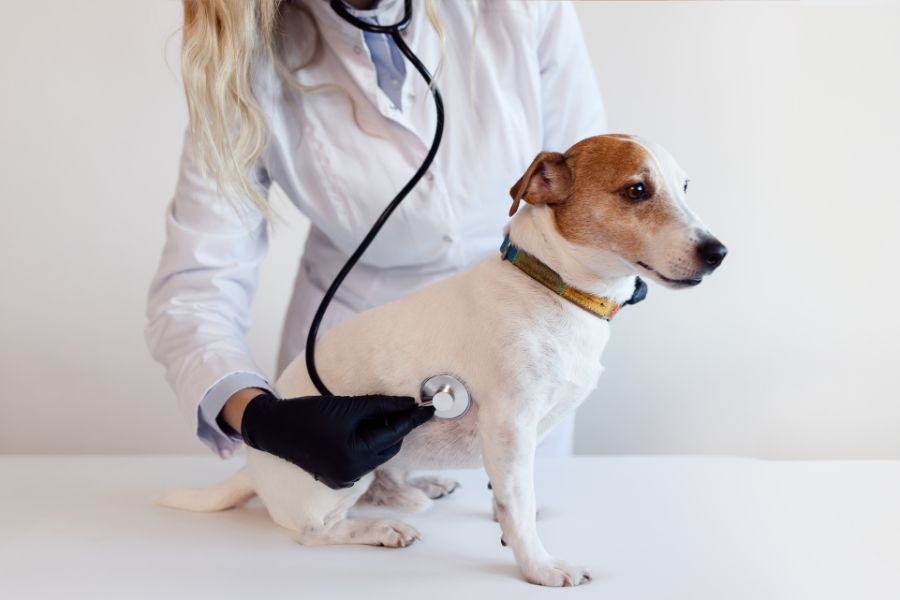
Many pets appear healthy on the outside, even when internal changes are already developing. Illness often builds slowly, and clear symptoms usually show up only after the condition has progressed. Routine testing helps uncover these hidden changes early, which often leads to easier treatment and better comfort for pets over time.
This blog is especially for pet owners, who want a clear understanding of how early testing can reveal hidden health concerns in pets. Many families in this area enjoy active routines with dogs and cats, which can sometimes make subtle health changes harder to notice.
How Diagnostic Tools Reveal Hidden Health Changes
Diagnostic testing provides a deeper view of a pet’s internal health than a physical exam alone. It helps identify changes in organs, blood chemistry, and body systems that cannot be seen from the outside. It makes testing a key part of preventive care and long-term wellness planning.
Veterinary teams use multiple tools to monitor health patterns over time, which help detect issues early and guide care decisions before symptoms appear. It is an important part of modern pet health diagnostics and early intervention strategies.
Routine diagnostics test also create a baseline for each pet. Future results can be compared to earlier data, making even small changes easier to detect.
Kidney Function Decline in Early Stages
Kidney issues often develop slowly and may not show clear signs until significant damage has occurred. Early testing helps identify changes before the condition becomes severe.
Key Test Indicators
- Elevated waste levels: Suggest reduced kidney filtering ability
- Fluid imbalance signs: Indicate early hydration regulation issues
- Electrolyte changes: Reflect kidney stress and function decline
- Protein in urine: Signals early kidney damage
Routine pet diagnostic tests help detect these changes early and support better long-term kidney care.
Liver Function, Stress, and Imbalance
The liver plays an important role in digestion, detoxification, and metabolism. Early liver issues often develop without obvious symptoms, making testing essential.
Early Liver Warning Signs
- Enzyme elevation: Indicates liver irritation or damage
- Reduced bile function: Affects digestion and nutrient absorption
- Toxin buildup: Shows reduced filtering ability
- Metabolic changes: Reflect internal liver stress
These findings are commonly identified through veterinary diagnostics during routine screening.
Thyroid Imbalance and Metabolic Changes
Thyroid problems can affect energy levels, weight, and behavior. These changes often happen gradually and may be mistaken for aging.
Common Early Indicators
- Weight fluctuations: Unexplained gain or loss
- Energy level shifts: Reduced activity or restlessness
- Coat condition changes: Thinning or dull fur
- Temperature sensitivity: Unusual heat or cold response
Early disease detection in pets helps manage thyroid conditions before symptoms become severe.
Blood Sugar Changes and Diabetes Risk
Blood sugar irregularities often begin long before diabetes develops. Without testing, early warning signs can be missed.
Early Blood Sugar Indicators
- High glucose levels: Show poor sugar regulation
- Increased thirst: Early metabolic imbalance sign
- Frequent urination: Linked to glucose changes
- Weight loss: Despite normal eating habits
Regular pet health diagnostics help prevent long-term complications.
Hidden Infections and Immune Response
Infections may develop internally before any visible symptoms appear. Testing helps detect immune system responses early.
Infection Detection Markers
- White blood cell increase: Indicates an infection response
- Inflammation signals: Show internal stress
- Organ strain indicators: Reveal affected body systems
- Temperature changes: Suggest a hidden illness
These are often detected through routine veterinary diagnostics.
Digestive System Imbalances
Digestive problems can affect nutrient absorption and overall energy levels. Early stages often show no visible symptoms.
Common Digestive Findings
- Bacterial imbalance: Affects gut health
- Parasite presence: Reduces nutrient absorption
- Enzyme deficiency: Impacts the digestive process
- Inflammatory signs: Indicate intestinal irritation
Routine pet diagnostic tests help identify these issues early.
Heart Function Irregularities
Heart conditions may begin with subtle changes in rhythm or circulation. These are often not visible at home.
Early Heart Indicators
- Irregular heartbeat: Suggests rhythm disturbance
- Low oxygen levels: Affects stamina
- Circulation changes: Impact energy levels
- Heart strain signs: Show early dysfunction
Early detection improves long-term heart care outcomes.
Internal Parasite Activity
Parasites can live inside the body without showing immediate symptoms. Over time, they can affect digestion and energy levels.
Parasite Detection Signs
- Egg presence in stool: Confirms infection
- Nutrient loss: Affects body condition
- Digestive irritation: Indicates internal damage
- Anemia signs: Linked to long-term infection
These checks are part of preventive care for pets.
Immune System Weakness or Overactivity
The immune system protects pets from illness, but an imbalance can cause frequent sickness or slow recovery.
Immune System Indicators
- Frequent infections: Suggest weak immunity
- Slow healing: Indicates reduced defense response
- Inflammation patterns: Show an immune imbalance
- White blood cell changes: Reflect immune stress
Early detection supports better long-term health management.
Why Routine Testing Matters for Every Pet
Routine screening helps identify health issues before symptoms appear. Even healthy pets benefit from regular monitoring because many conditions develop silently.
Benefits of Regular Testing
- Early disease detection: Allows faster treatment
- Health tracking over time: Shows subtle changes
- Reduced emergency risks: Prevents sudden illness
- Improved quality of life: Supports stable wellness
These benefits highlight the importance of pet health diagnostics.
How Pet Owners Should Respond to Early Findings
When early changes are detected, timely action is important. Small adjustments in diet, medication, or routine care can make a major difference. Follow-up testing helps track progress and ensures stability.
A veterinarian often builds a care plan based on results, focusing on long-term health improvement and condition management.
Why Early Testing Matters for Lifelong Pet Health
Early detection through diagnostic testing plays an important role in protecting long-term pet health because many conditions develop quietly before symptoms appear. Routine testing helps identify hidden changes early, allowing timely action before issues become severe. Early diagnosis supports simpler treatment, better recovery outcomes, and clearer care decisions while regular monitoring improves stability, reduces emergencies, and strengthens preventive care across all life stages.
Kyle Veterinary Hospital provides detailed diagnostic testing designed to identify early health changes in pets. Their approach focuses on accurate evaluation, early detection, and clear care planning that supports long-term wellness and helps pets live healthier, more comfortable lives.
If you are in Cincinnati and want reliable diagnostic testing for your pet, book an appointment with Kyle Veterinary Hospital. Their team takes time to interpret results clearly and helps you understand what your pet’s health truly needs. Every step is focused on early detection and lasting health stability.
Frequently Asked Questions
1. Why is diagnostic testing important for pets that look healthy?
Ans: Pets often hide early signs of illness. Diagnostic testing helps detect internal changes before symptoms appear, allowing earlier treatment and better long-term health outcomes.
2. How often should pets receive diagnostic testing?
Ans: Most pets benefit from yearly testing, while senior pets may need more frequent checks. Regular testing helps track health changes and identify early signs of disease.
3. What conditions can be found through early diagnostic testing?
Ans: Testing can detect kidney disease, liver issues, thyroid imbalance, diabetes risk, infections, and parasite activity before symptoms become visible.
4. Is diagnostic testing stressful for pets?
Ans: Most tests are quick and minimally invasive. Blood and urine collection may cause slight discomfort, but pets usually tolerate the process well.
5. How do veterinarians use test results?
Ans: Veterinarians review results to understand internal health changes. These findings help create targeted care plans that improve treatment accuracy and long-term wellness.