Hablamos Español
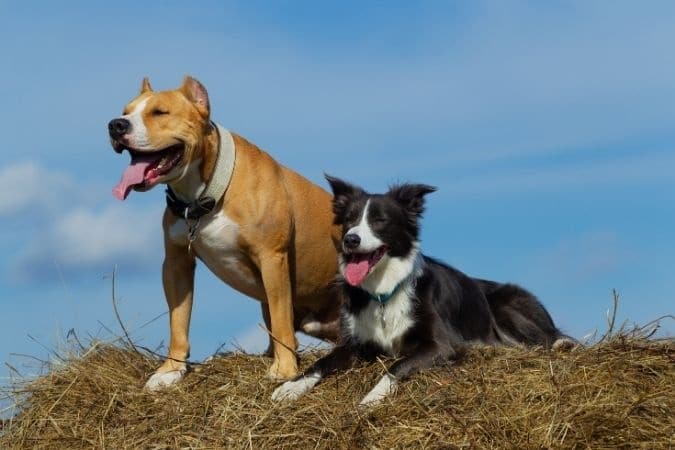
Some dogs are content to roam the yard and do their own thing. Others pour every ounce of themselves into the people they love. If you are looking for a companion that stays close, reads your emotions, and greets you like you have been gone for years, breed matters more than most people realize. Certain dogs are wired for deep attachment. They thrive on family life, follow you from room to room, and genuinely struggle when separated from the people they love most. Choosing a dog with that kind of temperament is a long-term decision. Proper veterinary care for dog breeds known for strong human bonds helps these animals live the long, healthy lives they deserve. This guide covers seven breeds that are especially popular with Ohio families and are known for forming lifelong emotional connections.
Which Dog Breeds Form the Strongest Bonds With Their Families?
Dogs that bond deeply with their families tend to share a few traits: high emotional sensitivity, a natural drive to stay physically close, and a history of being bred for human companionship rather than independent work. Breeds like Golden Retrievers, Labrador Retrievers, and Cavalier King Charles Spaniels consistently rank among the most family-bonded dogs. These breeds actively seek eye contact, respond strongly to human emotions, and often show signs of stress when separated from their owners for extended periods.
7 Loyal Dog Breeds That Thrive in Family Homes
1. Golden Retriever
Golden Retrievers are one of the most popular family-friendly dog breeds across Ohio, and for good reason. They are emotionally intuitive, gentle with children, and deeply loyal. Goldens do not bond with just one person. They pour affection into the entire household. They also tend to mirror the mood of their family, which makes them excellent companions during both stressful and joyful moments. In our experience, Golden Retrievers are among the most emotionally expressive dogs we see. Their owners often describe them as almost human in how they respond to tone of voice and body language. Regular wellness visits are important for this breed, as they are prone to joint issues and certain cancers as they age.
2. Labrador Retriever
Labrador Retrievers have held the top spot as America’s most popular dog for decades. In Ohio, they are everywhere, from Columbus suburbs to rural Cincinnati neighborhoods. Labs bond quickly, love hard, and adapt well to active family life. They are especially good with young children and tend to get along well with other pets. One thing families often underestimate is how much mental stimulation labs need. A bored Lab is a destructive Lab. Puzzle toys, fetch sessions, and training classes keep them emotionally balanced. Their loyal dog breeds for families reputation is well earned, but it comes with a commitment to keeping them engaged.
3. Cavalier King Charles Spaniel
Cavalier King Charles Spaniels were bred for one purpose: human companionship. They are small, gentle, and almost physically incapable of being in a room without sitting on someone. Pet owners often tell us their Cavaliers follow them from room to room all day, including into the bathroom. That level of attachment is both endearing and something owners need to prepare for. Cavaliers can develop separation anxiety quickly if not given proper independence training from puppyhood. They are also prone to heart conditions, so routine cardiac screenings are a key part of their care as they age.
4. German Shepherd
German Shepherds form extraordinarily strong bonds with their primary person. They are protective, loyal, and deeply attuned to their family’s emotional state. Families in Ohio have long favored German Shepherds as both companion dogs and working dogs. They are one of the most intelligent breeds, which means they need consistent mental engagement. Without it, they become anxious. German Shepherds are also one of the breeds most associated with emotional support dog breeds, often chosen for therapy and service work because of how naturally they read and respond to human emotions. Early socialization is critical to help them feel confident rather than reactive around strangers.
5. Bernese Mountain Dog
Bernese Mountain Dogs are calm, affectionate giants that are particularly well suited to family life in cooler Ohio climates. They are gentle with children, easy-going with other pets, and tend to form strong attachments to every member of the household. Many families describe their Berner as a shadow dog. Where you go, they go. One important consideration with this breed is their shorter lifespan compared to smaller dogs. Most Berners live between 7 and 10 years. That makes consistent preventive care critical. Starting early with joint support, weight management, and regular checkups helps them stay comfortable and active for as long as possible.
6. Boxer
Boxers are one of the most dogs that bond with owners quickly and intensely. They are playful, goofy, energetic, and deeply attached to their families. Boxers do not do well when left alone for long periods. They are happiest in a home where someone is around most of the day. In Cincinnati, Boxers are a well-loved breed, especially in families with active kids. Many dogs we see from this breed are living proof that high energy and high affection can coexist. Boxers are also known to be sensitive to temperature extremes, which matters in Ohio winters. They are short-coated dogs that feel the cold and should not be left outside for extended periods.
7. Poodle (Standard)
Standard Poodles are one of the most underrated family-friendly dog breeds in Ohio. People often associate them with show rings and fancy haircuts, but Standard Poodles are athletic, emotionally intelligent, and deeply bonded to their people. They are one of the top breeds recommended for families with mild allergies, as they shed minimally. Poodles pick up on emotional cues quickly and often act as a calming presence in anxious households. They are also one of the longest-living large breeds, with many Poodles reaching 12 to 15 years. That longevity makes them a serious lifetime commitment, and it is one reason their owners tend to build especially deep bonds with them over the years.
Signs Your Dog Is Deeply Bonded to You
Understanding the signs of a strong bond helps you nurture it. Watch for these behaviors:
- Follows you room to room: Not just at mealtime, but consistently throughout the day
- Makes frequent eye contact: Sustained, soft eye contact is a bonding behavior, not a challenge
- Seeks physical contact unprompted: Leaning against you, resting a paw on you, or sleeping touching your body
- Mirrors your mood: Becomes calm when you are calm, restless when you are stressed
- Shows distress at your departure: Whining, pacing, or watching the door are signs of attachment
We frequently remind our clients that separation anxiety and strong bonding are related but not the same thing. A bonded dog can still be emotionally healthy and independent. If your dog is destructive or inconsolable when you leave, that is worth addressing with your vet.
How to Support an Emotionally Bonded Dog’s Health
Dogs with strong bonds to their families also tend to be sensitive to changes in routine, household stress, and their owner’s physical health. Here is what helps them thrive:
- Keep routines consistent. Feeding, walks, and bedtimes at the same time each day reduce anxiety in emotionally sensitive breeds.
- Invest in early socialization. Well-socialized dogs are more confident and less likely to develop anxiety disorders.
- Prioritize mental stimulation. Training sessions, puzzle feeders, and new environments keep bonded dogs emotionally balanced.
- Watch for behavioral changes. A dog that suddenly withdraws or becomes clingy is often signaling something. Physical illness, pain, or stress all show up in behavior first.
- Schedule regular wellness visits. Emotionally sensitive breeds often mask discomfort until it becomes significant. Routine exams catch issues early.
The Role of Veterinary Care in a Bonded Dog’s Life
A strong human-dog bond is built over years. Protecting it means protecting your dog’s health. Many of the breeds on this list are prone to specific health conditions: heart disease in Cavaliers, hip dysplasia in German Shepherds and Labs, cancer in Goldens, and cardiac issues in Boxers. Staying ahead of those risks requires consistent, proactive care.
Kyle Veterinary Hospital provides veterinary care for dogs across Cincinnati and surrounding Ohio communities. Our team understands that for many families, these dogs are not just pets. They are members of the household, and their care deserves the same attention and trust.
Conclusion
The breeds covered here share a remarkable ability to attach deeply to the people around them. Whether you have a lab that never leaves your side or a Bernese Mountain Dog that leans against your legs every evening, that bond is worth protecting. Keeping up with routine checkups, behavioral health, and breed-specific wellness needs is the most direct way to give a bonded dog a long, comfortable life. Solid veterinary care for dog owners in Ohio means finding a team that sees your pet as an individual, not just a chart. At Kyle Veterinary Hospital, that is exactly how we approach every visit. Book an appointment today.
Frequently Asked Questions
Q: What dog breed bonds most strongly with its owner?
Ans: Golden Retrievers, Labrador Retrievers, and Cavalier King Charles Spaniels are consistently ranked among the most deeply bonded breeds. They are emotionally intuitive, people-focused, and tend to form attachments to every member of the household.
Q: Are bonded dogs more prone to separation anxiety?
Ans: Not necessarily, though deeply bonded breeds can develop separation anxiety if they are not trained for independence early. Signs include destructive behavior, excessive barking, and distress at departure. A veterinarian or certified trainer can help manage it.
Q: What dog breeds are most popular in Ohio?
Ans: Labrador Retrievers, German Shepherds, Golden Retrievers, Boxers, and Bernese Mountain Dogs are among the most commonly owned breeds in Ohio. All of these breeds are well suited to Ohio’s climate and family-oriented lifestyle.
Q: How do I know if my dog is emotionally bonded to me?
Ans: Key signs include sustained eye contact, following you room to room, seeking physical contact unprompted, and showing calm when you are present. A dog that mirrors your emotional state and greets you with consistent enthusiasm is showing a strong attachment.
Q: How often should I take my dog to the vet for wellness visits?
Ans: Most adult dogs benefit from a wellness exam once a year. Senior dogs, typically those over 7 years old, often need twice-yearly visits. Breeds prone to specific health conditions may require more frequent screenings. Your veterinarian will recommend the right schedule for your dog’s age and breed.