Hablamos Español
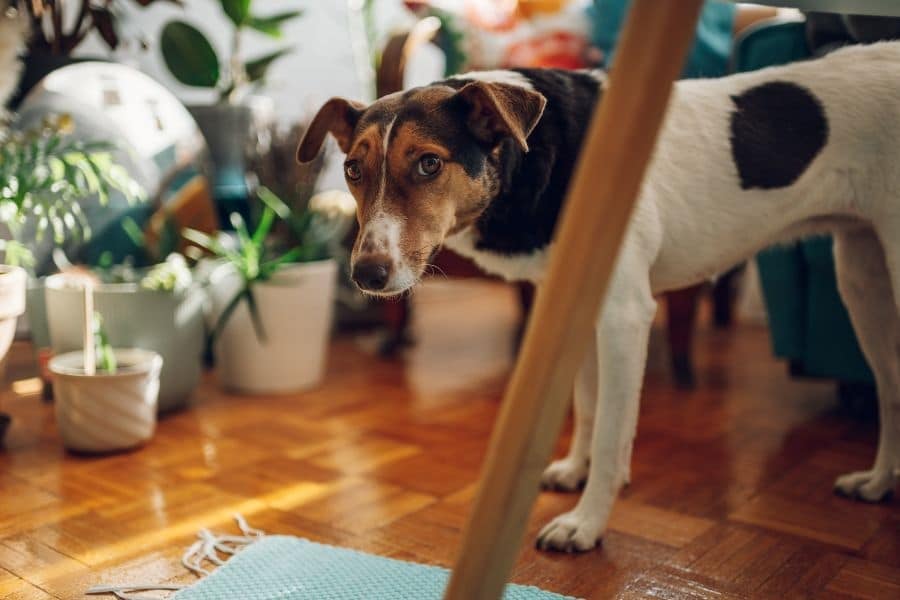
Your dog starts shaking the moment you reach for the leash on appointment day. Your cat hides under the bed for hours after returning home. If this sounds familiar, you are not alone. Pet anxiety around vet visits is one of the most common concerns we hear from pet owners every single week. Many pets experience real fear before and during their appointments, and that stress can make the experience harder for everyone in the room. The good news is that a few intentional steps, taken before you even leave the house, can make a significant difference. This guide walks you through the most practical, vet-recommended strategies to calm pet anxiety and help your pet feel safer every step of the way.
Understanding Why Pets Get Anxious at the Vet
Vet visits involve a lot of unfamiliar triggers. Strange smells, new sounds, handling by people your pet does not know, and an environment they rarely visit all combine into a stressful experience. This is especially true for pets who only visit the vet once or twice a year.
Anxiety is not a personality flaw. It is a natural stress response. Many pets have had one uncomfortable experience at a clinic and learned to associate the building, the carrier, or even the car ride with something unpleasant. That memory can last for years.
Research suggests that roughly 50% of pet owners report that their pet shows signs of stress either at the clinic or in anticipation of the visit. Addressing the root cause, rather than just managing the reaction in the moment, is always the better approach.
Signs of Pet Anxiety You Should Know
Recognizing the signs early gives you more time to help. Pet owners often tell us they did not realize their dog or cat was stressed until the behavior became extreme. In reality, anxiety usually builds gradually.
Here are common signs of pet anxiety to watch for:
- Panting or yawning excessively: Both are calming signals that indicate your pet is overwhelmed, not just tired or warm.
- Trembling or shaking: Often mistaken for being cold, this is a physical stress response.
- Hiding or refusing to move: Your cat retreating under furniture before a visit is a clear signal they are anticipating something uncomfortable.
- Drooling or lip licking: These are early stress cues, particularly in dogs.
- Vocalization: Whimpering, meowing, or barking without an obvious cause often signals anxiety.
- Loss of bladder or bowel control: In severe cases, pets may lose control due to extreme fear.
If you notice any of these signs, contact your nearest veterinarian before the visit. There are options available to make the experience far less distressing.
How to Calm Your Pet Before the Appointment
Preparation is the most powerful tool you have. The steps you take in the days leading up to the visit matter more than what you do in the waiting room.
1. Practice carrier training well in advance. Leave the carrier out at home for days before the appointment. Put familiar bedding inside. Let your pet explore it on their own terms. For an anxious cat, a carrier that smells like home is significantly less threatening than one that only comes out on appointment day.
2. Take short practice car rides. For pets that associate the car with the vet, short, uneventful rides around the block can help break that connection. Do this several times before the appointment so the car no longer predicts a clinic visit.
3. Use calming products as directed by your vet. Pheromone sprays designed for dogs and cats can reduce signs of pet anxiety without sedation. Apply them to bedding or the inside of the carrier 20 to 30 minutes before travel. Ask your veterinarian whether these are appropriate for your pet.
4. Avoid feeding a large meal before the visit. A lighter stomach reduces the chance of nausea during car travel, which adds another layer of discomfort for already-anxious pets.
5. Stay calm yourself. Pets read your body language closely. If you are visibly tense or rushing, your pet picks up on that energy. Speak in a relaxed, even tone before and during the visit.
In Ohio, the colder winter months can add extra stress for pets who are sensitive to temperature changes and car travel. Warming the car before loading your pet and keeping the ride as smooth and quiet as possible helps reduce these additional triggers.
What to Expect During the Visit and How to Help
Knowing what happens at the appointment helps you advocate for your pet in the moment. Vet visit preparation tips do not end when you walk through the door.
Arrive a few minutes early, so your pet has time to adjust before being called in. Keep anxious dogs or cats on your lap or in their carrier in the waiting area rather than allowing them to interact with other animals. Unnecessary social pressure increases stress.
Let your pet sniff and explore the exam table if the veterinarian allows it. A gentle, familiar touch from you during the exam can lower your pet’s heart rate. Bring high-value treats your pet does not get at home, and offer them throughout the visit to build a positive association with the clinic environment.
For cats, a carrier that opens from the top allows the vet to examine them without forcing them out. Many anxious cats do far better when the exam happens inside or directly on top of a familiar carrier. Let your veterinarian know about your pet’s anxiety before the exam begins. The team can adjust its approach accordingly.
In our experience, pets that receive small, consistent positive reinforcement during each visit become noticeably calmer over multiple appointments. It takes patience, but it works.
When to Ask Your Vet About Anti-Anxiety Support
Some pets need more than preparation and treats. If your pet’s anxiety is severe enough to cause physical symptoms, the distress is real and medically significant. You should discuss additional options with your veterinarian.
Anti-anxiety medications are available in both short-term and long-term forms. Short-term options are given before the visit and reduce anticipatory fear. Long-term options are considered for pets with generalized anxiety that extends beyond vet visits alone. Your vet will determine the right approach based on your pet’s weight, health history, and the severity of their stress.
At Kyle Veterinary Hospital, the team regularly works with pet owners to create customized low-stress visit plans. These may include pre-visit medications, modified handling techniques, and scheduled “happy visits” where your pet comes in with no exam involved, just treats and positive attention.
Never attempt to manage severe pet anxiety with human medications. Even small doses of common over-the-counter products can be toxic to dogs and cats. Always consult your veterinarian before introducing anything new to your pet’s routine.
Taking the Fear Out of Vet Visits, One Step at a Time
Helping your pet feel safer at the vet is not about a single trick. It is a process that builds over time. Start with the carrier. Take the practice drives. Notice the early signs of stress before they escalate. Knowing how to calm pet vet anxiety gives your pet a better experience and makes it easier for you to keep up with the regular preventive care that protects their long-term health. Talk openly with your veterinarian about what your pet needs. The more your care team knows, the better they can help. Book an appointment today.
Frequently Asked Questions
Q: Why does my dog shake so much at the vet?
Ans: Shaking at the vet is a common physical response to stress and fear. Dogs often associate the clinic environment with past discomfort or unfamiliar handling. Gradual desensitization, positive reinforcement, and discussing anti-anxiety options with your vet can help reduce this response over time.
Q: How can I get my cat into the carrier without a fight?
Ans: Leave the carrier out at home for several days before the visit with familiar bedding inside. Let your cat explore it on their own terms. Avoid only bringing the carrier out on appointment day, as this teaches your cat that the carrier always predicts something stressful.
Q: What are signs of pet anxiety during a vet visit?
Ans: Common signs include panting, trembling, hiding in the carrier, vocalization, drooling, and refusing to stand on the exam table. Noticing these signs early and informing your veterinarian allows them to adjust their approach and make the exam gentler.
Q: Are calming sprays safe to use before a vet visit?
Ans: Pheromone-based calming sprays are generally considered safe for most pets and do not cause sedation. However, you should always check with your veterinarian before using any product, especially if your pet has existing health conditions or is on medication.
Q: How do I help a pet that has severe anxiety at the vet?
Ans: For pets with severe anxiety, speak with your veterinarian about short-term anti-anxiety medications prescribed specifically for vet visits. Your vet can also recommend low-stress handling techniques or schedule practice visits to help your pet build positive associations with the clinic over time.