
Hablamos Español
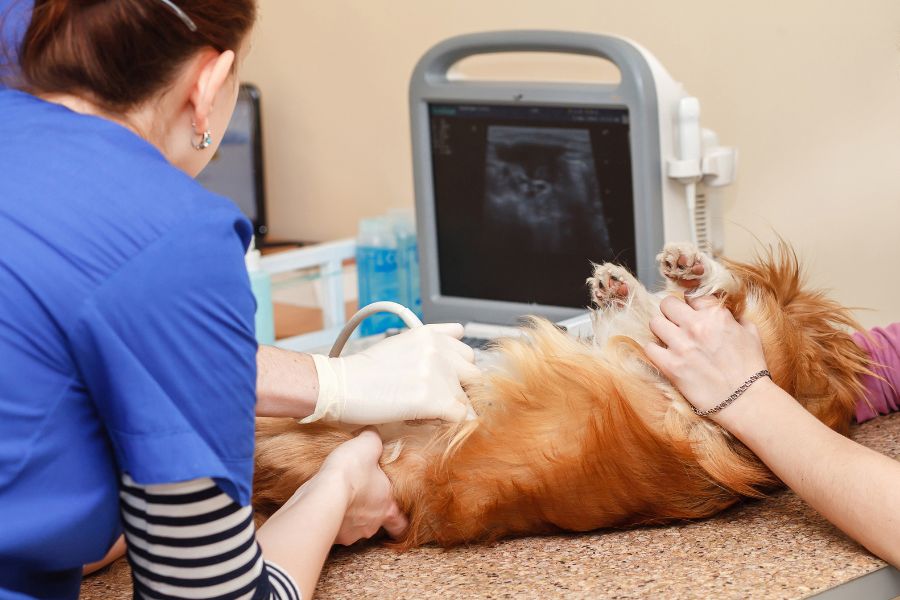
If your pet has been acting off and your vet recommends imaging, you may feel unsure about what comes next. Pet ultrasound services have become one of the most valuable diagnostic tools in modern veterinary medicine. They allow vets to look inside your pet’s body without surgery or sedation in most cases. In Cincinnati, pet owners increasingly rely on ultrasound to get fast, accurate answers about their animals’ health. Whether your dog is vomiting without explanation or your cat seems unusually lethargic, an ultrasound can reveal what blood tests and physical exams often miss. This guide explains the different types of veterinary ultrasound, which situations call for each one, and exactly what to expect during the process. Understanding your options helps you make confident decisions for your pet’s care.
What Is Veterinary Ultrasound and How Does It Work?
Veterinary ultrasound uses high-frequency sound waves to create real-time images of your pet’s internal organs. A small handheld probe is placed against the skin, and the device captures movement, size, and structure inside the body.
Unlike X-rays, ultrasound does not use radiation. It is safe for pets of all ages, including puppies, kittens, and senior animals. The American Veterinary Medical Association recognizes ultrasound as a standard diagnostic tool in small animal care.
Ultrasound is especially useful for soft tissue evaluation. It can show the liver, kidneys, spleen, bladder, stomach, and intestines in detail that X-rays cannot match. In our experience, many pets that arrive with vague symptoms like weight loss or chronic nausea have a diagnosable issue visible on their first ultrasound.
When Does a Pet Need an Abdominal Ultrasound?
An abdominal ultrasound examines the organs inside your pet’s belly. It is one of the most commonly recommended imaging procedures in veterinary medicine.
Your vet may suggest an abdominal ultrasound when your pet shows:
- Vomiting or diarrhea that doesn’t resolve. Persistent GI signs often point to organ involvement.
- Unexplained weight loss. Shrinking organ size or abnormal masses may be the cause.
- Increased thirst and urination. These signs can indicate kidney or liver disease.
- A lump felt during a physical exam. Ultrasound helps identify what the mass is and where it originates.
- Elevated liver or kidney values on bloodwork. Imaging confirms what the labs suggest.
Pet owners often tell us they waited weeks before bringing in a pet with a swollen belly. In many of those cases, an abdominal ultrasound for cats and dogs revealed fluid buildup that required prompt treatment. Early imaging leads to earlier care.
Veterinary Ultrasound for Dogs: Cardiac and Chest Imaging
Heart and chest ultrasound, also called echocardiography, evaluates the heart’s structure and function. It measures chamber size, wall thickness, and valve movement in real time.
Veterinary ultrasound for dogs is especially important for breeds prone to heart disease. Cavalier King Charles Spaniels, Doberman Pinschers, and Boxers are at higher genetic risk and often benefit from routine cardiac screening. The American Animal Hospital Association recommends cardiac evaluation for at-risk breeds beginning in middle age.
Your vet may recommend cardiac ultrasound if your dog has a murmur detected during a routine exam, shows exercise intolerance, coughs frequently at night, or faints unexpectedly. These signs suggest the heart may not be pumping efficiently.
In Ohio, we see a fair number of dogs that have lived with undiagnosed heart disease for months. Many owners assume their dog is slowing down due to age. Cardiac ultrasound gives a clear picture of what is actually happening.
Does My Pet Need an Ultrasound or an X-Ray?
This is one of the most common questions we get from pet owners after imaging is recommended. Ultrasound vs x-ray for pets is not a competition. Both tools serve different purposes and are often used together.
X-rays are best for evaluating bone structure, detecting fractures, identifying foreign objects, and looking at lung density. They produce still images and are quick to perform. They are the first step in most trauma cases.
Ultrasound is better for visualizing soft tissue, fluid, blood flow, and organ movement. It produces live images and allows the vet to assess function, not just structure. When a mass is found on an X-ray, ultrasound is typically the next step to learn more about it.
Many pets need both. A dog that swallowed something may get an X-ray first. If the X-ray shows concern in the abdomen, ultrasound follows to check the organs. Knowing that both tools work together helps remove confusion about the diagnostic process. Ultrasound vs x-ray for pets is not a choice between better and worse. It is a choice based on what information the vet needs.
What Happens During a Pet Pregnancy Ultrasound?
A pet pregnancy ultrasound confirms pregnancy, estimates the number of fetuses, and monitors their development. It is non-invasive and does not harm the mother or offspring.
Most vets recommend scheduling a pregnancy ultrasound around 25 to 30 days after breeding. At this stage, fetal heartbeats are detectable and viability can be confirmed. Waiting too long may make it harder to count fetuses accurately.
Here is what to expect during the appointment:
- Your pet’s belly fur may be gently shaved or parted in a small area.
- A warm gel is applied to help the probe make contact with the skin.
- The vet moves the probe slowly across the abdomen while watching a monitor.
- Fetal heartbeats are counted and recorded.
- The vet discusses findings with you immediately after the scan.
Pet pregnancy ultrasound is also used for dogs and cats experiencing difficult or prolonged labor. It can confirm whether fetuses remain in the womb after delivery and whether emergency intervention is needed.
Conclusion
Knowing when and why your pet needs imaging can feel overwhelming. But veterinary ultrasound is a gentle, accurate, and widely trusted diagnostic tool. Whether your vet is investigating a lump, monitoring organ health, or confirming a pregnancy, pet ultrasound services give you real answers without putting your pet through unnecessary procedures. At Kyle Veterinary Hospital, we use advanced imaging technology to help Cincinnati pets get accurate diagnoses quickly. The sooner a problem is identified, the sooner your pet gets the care they need. Do not wait for symptoms to get worse before reaching out. Your pet deserves clear answers and compassionate care. Book an appointment today.
Frequently Asked Questions
Does my pet need to be sedated for an ultrasound?
Most pets do not require sedation for a routine ultrasound. The procedure is non-invasive and painless. However, if your pet is very anxious or the area being examined is sensitive, mild sedation may be recommended to keep them still and comfortable.
How long does a veterinary ultrasound take?
Most ultrasound appointments take between 20 and 45 minutes depending on what is being examined. Cardiac ultrasounds may take slightly longer. Your vet will walk you through the findings immediately after the scan.
Can ultrasound detect cancer in pets?
Ultrasound can identify abnormal masses, enlarged lymph nodes, and suspicious tissue changes in organs. It is a key step in diagnosing many types of cancer. However, a definitive cancer diagnosis usually requires a biopsy or fine needle aspirate following the ultrasound.
Is veterinary ultrasound safe for older pets?
Yes. Ultrasound uses sound waves, not radiation, making it safe for senior pets and those with compromised health. In fact, older animals often benefit most from ultrasound because age-related organ changes are easier to detect with this type of imaging.
How do I prepare my pet for an abdominal ultrasound?
Your vet will typically ask you to withhold food for several hours before the appointment. A fasted stomach reduces gas and fluid in the gut, which improves image quality. Water is usually fine to offer. Always follow your vet’s specific instructions before the visit.