Hablamos Español
Getting a new pet is thrilling. Scheduling that first visit to a veterinary hospital is one of the most important steps you can take in those early days. A first exam gives your vet a baseline picture of your pet’s health, catches hidden issues before they become serious, and starts a vaccine and wellness schedule tailored to your pet’s specific needs. Many new pet owners feel a mix of excitement and nerves heading into that first appointment. They wonder what the vet will check, what paperwork to bring, and whether their pet will be scared. This guide answers all of those questions clearly so you can walk in prepared, calm, and confident that your pet is in good hands from day one.
What Is a First Visit Veterinary Hospital Exam and Why Does It Matter?
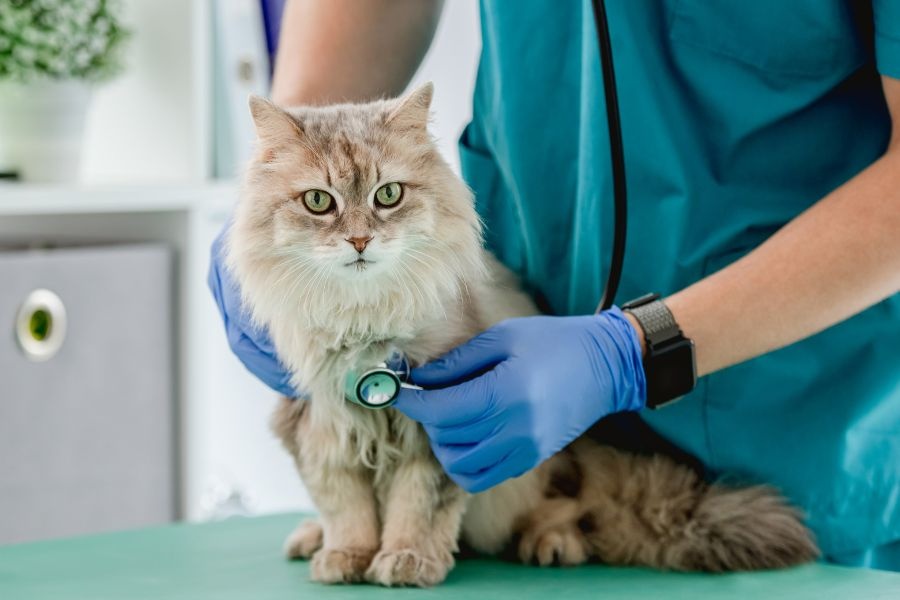
A first visit to a veterinary exam is a complete nose-to-tail health evaluation. Your veterinarian will assess your pet’s weight, body condition, heart, lungs, eyes, ears, teeth, skin, coat, abdomen, and limb movement. The goal is to establish a health baseline and identify any concerns before symptoms become serious.
Research consistently shows that pets receiving regular wellness exams live longer, healthier lives than those seen only during illness. Early detection of heart murmurs, parasites, joint issues, and dental disease is far less costly and stressful than treating advanced conditions. A first exam sets that pattern of proactive care in motion.
Pet owners often tell us they had no idea their pet had a low-grade ear infection or early signs of a skin condition until their very first checkup. The appointment is not just about vaccines. It is about understanding your pet’s complete health picture from the start.
What to Bring to Your Pet’s First Vet Appointment
Knowing what to expect from vet visit preparation helps the appointment run smoothly and gives your nearest veterinarian the full picture right away. Here is what to bring:
- Prior medical records: If your pet came from a breeder, shelter, or rescue, bring any vaccination records, health certificates, or previous exam notes. Your vet needs to know what has already been administered.
- A fresh fecal sample: Collect a small stool sample in a sealed zip-lock bag within 12 hours of the visit. Your vet will test it for intestinal parasites such as roundworms, hookworms, and Giardia.
- A list of questions: Write them down at home. First appointments can feel overwhelming, and questions are easy to forget once you are in the room.
- Your pet’s current food: The brand, formula, and daily amount help your vet evaluate whether nutrition fits your pet’s age, breed, and weight goals.
- A comfort item: A favorite toy or a familiar blanket reduces anxiety for pets who are nervous in new environments.
- Payment method: Confirm accepted payment options with the clinic before your visit to avoid any surprises at checkout.
In our experience, pet owners who arrive with records and a written question list leave with far more confidence than those who arrive unprepared. A few minutes of prep at home makes a significant difference.
What Happens Step by Step at a Veterinary Hospital Visit
Cincinnati pet owners often ask us exactly how the visit flows so they know what to expect from start to finish. Here is a step-by-step overview of a typical first appointment:
- Check-in: You provide your pet’s name, your contact information, and any records you brought. Staff may ask you to fill out a brief health history form.
- Weigh-in: Your pet is weighed. This number becomes the baseline for tracking healthy growth or identifying unexpected changes over time.
- Technician intake: A veterinary technician will take your pet’s temperature, pulse, and respiration rate and ask about diet, behavior, elimination habits, and any concerns you have noticed.
- Physical exam: The veterinarian performs the full nose-to-tail examination. They will narrate what they are finding as they go, so you understand each step.
- Diagnostics: If needed, the vet may recommend a fecal parasite test, blood panel, or urinalysis. Not every pet needs all of these on visit one.
- Vaccine review: Your vet will review vaccination history and administer or schedule any vaccines appropriate for your pet’s age, species, and lifestyle.
- Discussion and questions: You will have dedicated time to ask every question on your list. Your vet will also outline a care plan for the months ahead.
- Discharge: You receive written instructions, a visit summary, and reminders for any follow-up appointments or medications.
What Does a Pet Wellness Exam Checklist Cover?
A pet diagnostic exam checklist covers every system your veterinarian evaluates during a standard physical exam. During a first visit, your vet will assess all of the following:
- Body weight and condition score: Confirms healthy weight for breed and age
- Eyes: Checks for discharge, cloudiness, or structural concerns
- Ears: Look for infection, mites, odor, or excess debris
- Mouth and teeth: Evaluates baby or adult tooth development and gum health
- Heart and lungs: Listens for murmurs, irregular rhythms, or labored breathing
- Skin and coat: Identifies fleas, ticks, rashes, dryness, or hair loss
- Abdomen: Palpates organs for abnormal size or tenderness
- Limbs and joints: Assesses posture, gait, and joint flexibility
One of the most common questions we get from pet owners in Cincinnati is whether dental checking is really necessary that early. The American Veterinary Medical Association (AVMA) recommends dental evaluation beginning at the first wellness visit because tooth and gum issues can affect overall organ health over time. Catching early dental problems is far simpler and less invasive than treating advanced dental disease.
A widely accepted figure in veterinary medicine is that roughly 70 percent of cats and 80 percent of dogs show signs of dental disease by age three. Starting early is the most effective prevention strategy available.
Choosing a Veterinary Hospital That Fits Your Pet’s Needs
Finding the right veterinary hospital in Cincinnati families can rely on takes a little research but makes a real difference in your pet’s long-term care. Look for a clinic with a welcoming environment, experienced staff, clear communication, and a team willing to answer your questions without making you feel rushed.
We frequently remind our clients that the relationship built at that first visit carries forward for your pet’s entire life. A positive early experience shapes how your pet responds to veterinary care for years to come. Kyle Veterinary Hospital offers comprehensive wellness exams, personalized vaccine planning, parasite testing, nutritional guidance, and a team that takes the time to get to know your pet from day one.
Conclusion
Your pet’s first visit to a veterinary hospital sets the tone for every appointment that follows. A thorough exam, the right vaccines, and an honest conversation with your vet give your pet the foundation for a long, healthy life. The pet wellness exam checklist your vet works through is not just a formality. It is a proactive health investment that catches problems early and saves you stress down the road. Cincinnati pet owners deserve a veterinary team that listens, educates, and cares. Kyle Veterinary Hospital is ready to give your pet the attentive, personalized first visit they deserve. Book an appointment today.
Frequently Asked Questions
What should I bring to my pet’s first vet visit?
Ans: Bring any prior vaccination records or health certificates, a fresh fecal sample in a sealed bag, a list of questions, your pet’s current food brand and amount, and a comfort item like a toy or blanket. Having these ready helps your vet build a complete health picture right away.
What happens during a pet’s first visit to a veterinary hospital?
Ans: Your vet performs a full physical exam covering eyes, ears, teeth, heart, lungs, skin, abdomen, and limbs. The appointment also includes a vaccine review, parasite screening discussion, and time for your questions. Most first visits take between 30 and 50 minutes.
How much does a first pet wellness exam cost?
Ans: Wellness exam fees vary by clinic, pet species, and what diagnostics are recommended. Contact your veterinary hospital in Cincinnati directly for current pricing. Many clinics offer new patient bundles that include the exam, core vaccines, and a fecal test together.
Do I need to bring my pet’s records to the first vet visit?
Ans: Yes. Any vaccination records, health certificates, or prior exam notes from a breeder, shelter, or rescue help your vet avoid duplicating vaccines and understand your pet’s starting health history. If you do not have records, let the clinic know in advance, and your vet will guide you through establishing a new baseline.
How often should my pet visit the vet after the first appointment?
Ans: Most young pets need follow-up visits every 3 to 4 weeks until their initial vaccine series is complete. After that, the AVMA recommends annual wellness exams for healthy adult pets and twice-yearly exams for senior pets or those with chronic health conditions.