Hablamos Español


Proactive Pet Health & Wellness Services
As pet owners, we want to ensure that our furry friends live long, healthy lives. One of the best ways to do this is through preventative care. By taking a proactive approach to your pet’s health, you can save yourself and your pet from potential health issues and costly vet bills.
Routine Wellness
Preventive wellness care is the best way to keep your pet healthy. During routine veterinary wellness exams, we will perform a thorough physical examination of your pet. This includes checking your pet’s weight, temperature, heart rate, and overall appearance. We will also check for any lumps, bumps, or abnormalities that may indicate an underlying health issue.
Additionally, we will discuss your pet’s lifestyle and habits with you. This can help identify any potential risk factors for your pet’s health.
Vaccinations
Vaccinations are injections that contain a small amount of a disease-causing organism. These organisms are either killed or weakened, so they do not cause illness in your pet. When your pet receives a vaccination, their immune system responds by creating antibodies to fight off the disease. This way, if your pet is ever exposed to the actual disease, their body will be prepared to fight it off.
Vaccinations are typically given in a series of shots, starting when your pet is a puppy or kitten and continuing throughout their life. Some vaccinations require annual boosters, while others may only need to be given every few years.
Core
Vaccinations
Core vaccinations are those that are considered essential for all pets to receive. These vaccinations protect against diseases that are highly contagious, widespread, and potentially fatal. They are also diseases that can be transmitted from animals to humans, making them a public health concern.
For dogs, the core vaccinations include:
- Rabies
- Distemper
- Parvovirus
- Adenovirus
For cats, the core vaccinations include:
- Rabies
- Feline herpesvirus
- Calicivirus
- Panleukopenia
These vaccinations are considered essential because they protect against diseases that are easily spread and can have severe consequences for your pet’s health. In some cases, these diseases can even be fatal.
Non-Core
Vaccinations
Non-core vaccinations are those that are recommended based on your pet’s lifestyle, environment, and risk of exposure to certain diseases. These vaccinations are not considered essential for all pets, but they may be necessary for some.
For dogs, non-core vaccinations may include:
- Bordetella (kennel cough)
- Leptospirosis
- Lyme disease
For cats, non-core vaccinations may include:
- Feline leukemia
- Feline immunodeficiency virus (FIV)
These vaccinations are not considered essential because they protect against diseases that are not as easily spread or are not as severe as the core vaccinations. However, they may still be necessary for your pet depending on their lifestyle and risk of exposure.
Why Are Pet Vaccinations Important?
Pet vaccinations are essential for several reasons:
- Protect Your Pet’s Health
The primary reason for getting your pet vaccinated is to protect their health. Vaccinations prevent your pet from contracting potentially life-threatening diseases, which can save you from costly vet bills and heartache. - Protect Public Health
Some diseases that pets can be vaccinated against, such as rabies, can also be transmitted to humans. By vaccinating your pet, you are not only protecting them but also protecting the health of your family and community. - Required by Law
In many states, it is required by law to have your pet vaccinated against rabies. This is to prevent the spread of the disease and protect public health. - Required for Travel
If you plan on traveling with your pet, vaccinations may be required for entry into certain countries or states. This is to prevent the spread of diseases across borders.
FeLV and FIV
What is FeLV?
FeLV is a retrovirus that affects cats. It is highly contagious and can be transmitted through saliva, blood, and other bodily fluids. Kittens are most susceptible to FeLV, but cats of any age can become infected.
Causes of FeLV
FeLV is caused by a virus that attacks the immune system of cats. It can be transmitted through close contact with an infected cat, such as grooming, sharing food and water bowls, or through bites from infected cats. It can also be passed from a mother cat to her kittens during pregnancy or through her milk.
Symptoms of FeLV
FeLV can cause a variety of symptoms in cats, including:
- Loss of appetite
- Weight loss
- Lethargy
- Fever
- Pale gums
- Enlarged lymph nodes
- Diarrhea
- Respiratory infections
- Anemia
- Cancer
Some cats may not show any symptoms at all, while others may experience severe symptoms. It’s important to note that these symptoms can also be indicative of other health issues, so it’s important to consult a veterinarian for a proper diagnosis.
Diagnosis and Treatment of FeLV
FeLV can be diagnosed through a blood test, known as the FeLV snap test. This test detects the presence of the virus in a cat’s blood. If a cat tests positive for FeLV, further testing may be done to determine the stage of the infection and the best course of treatment.
Unfortunately, there is no cure for FeLV, but supportive care can help manage symptoms and improve a cat’s quality of life. This may include medications to treat secondary infections, blood transfusions, and nutritional support. In some cases, cats may go into remission and show no signs of the virus, but they can still transmit it to other cats.
Prevention of FeLV and FIV
The best way to prevent FeLV and FIV in cats is to keep them indoors and away from potentially infected cats. If you have multiple cats, it’s important to have them tested for these viruses before introducing them to each other. It’s also important to keep your cat up-to-date on vaccinations and to have them spayed or neutered to prevent unwanted pregnancies and potential transmission of the viruses.
Parasite Control
Parasites are organisms that live on or inside another organism, known as the host, and rely on the host for survival. They can be found in various forms, including worms, fleas, ticks, and mites. Parasites can cause a range of health issues in dogs and cats, from mild irritation to life-threatening conditions.
Common Parasites in Dogs and Cats
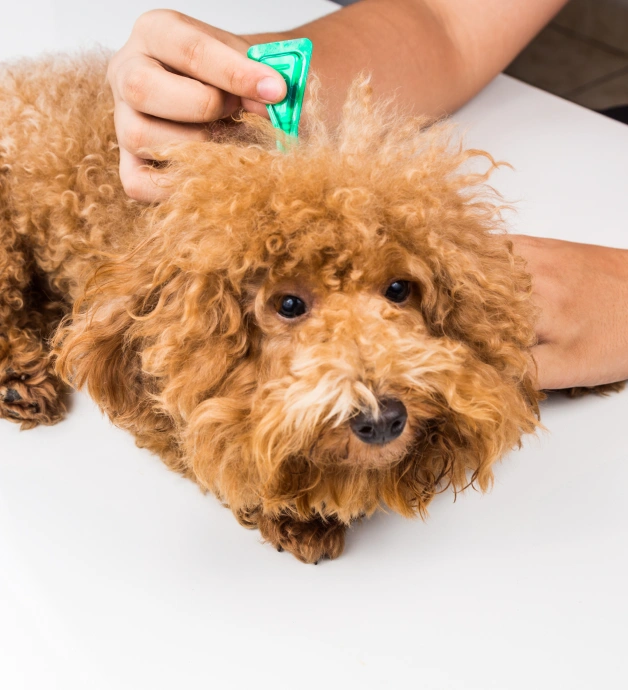
Fleas are the most common external parasite found in dogs and cats. These tiny insects feed on the blood of their host and can cause severe itching, skin irritation, and even anemia in young animals. Fleas can also transmit tapeworms, a type of internal parasite, to your pet.
Testing for Parasites
Regular testing for parasites is essential for the health of your dog and cat. We can perform a fecal exam to check for the presence of internal parasites such as roundworms and hookworms. We can also perform a skin scraping to check for external parasites like fleas and mites.
It is recommended to have your pet tested for parasites at least once a year, or more frequently if they show symptoms of a parasitic infection. Early detection and treatment can prevent serious health issues and ensure the well-being of your pet.
Preventing Parasites
Preventing parasites is key to keeping your pet healthy and happy. Here are some tips to help prevent parasitic infections in your furry friends:
- Keep your pet’s living area clean and free of feces, as this can attract parasites.
- Regularly groom your pet to check for signs of fleas, ticks, and mites.
- Use flea control products as recommended by your veterinarian.
- Keep your pet away from areas where parasites are commonly found, such as wooded areas and tall grass.
- Wash your pet’s bedding regularly.
- Keep your pet’s vaccinations up to date to prevent certain parasitic infections.
Treatment for Parasites
If your pet is diagnosed with a parasitic infection, we will prescribe the appropriate treatment. This may include medications to kill the parasites, as well as supportive care to help your pet recover from any health issues caused by the parasites.
It is important to follow our instructions for treatment and to complete the full course of medication, even if your pet’s symptoms improve. This will ensure that all parasites are eliminated and prevent re-infection.
Microchipping
Microchipping is a simple and safe procedure that involves inserting a tiny microchip, about the size of a grain of rice, under your pet’s skin. The chip contains a unique identification number that can be scanned by a microchip reader. This number is linked to your contact information in a national pet recovery database, making it easy for shelters and veterinarians to contact you if your pet is found.
The Procedure
The microchipping procedure is quick and painless for your pet. It is done in our office and can be done during a routine visit or at the same time as spaying or neutering. The microchip is inserted under the skin between your pet’s shoulder blades using a needle, similar to a routine vaccination. Your pet may experience some mild discomfort, but it is short-lived, and they will quickly return to their normal activities.
The Benefits of Microchipping
The microchipping procedure is quick and painless for your pet. It is done in our office and can be done during a routine visit or at the same time as spaying or neutering. The microchip is inserted under the skin between your pet’s shoulder blades using a needle, similar to a routine vaccination. Your pet may experience some mild discomfort, but it is short-lived, and they will quickly return to their normal activities.
Permanent Identification
Unlike ID tags and collars, microchips are permanent and cannot be removed or lost. This means that your pet will always have a form of identification, even if they lose their collar or tags.
Quick and Easy Identification
Microchips can be scanned by any veterinarian or animal shelter, making it easy for them to identify your pet and contact you. This is especially helpful if your pet is found outside of your local area.
Increased Chance of Reunion
As mentioned earlier, the chances of being reunited with your lost pet are significantly higher if they are microchipped. In fact, a study by the American Veterinary Medical Association found that dogs with microchips were returned to their owners 52.2% of the time, compared to only 21.9% for dogs without microchips. For cats, the numbers were even more significant, with a 38.5% return rate for microchipped cats compared to only 1.8% for cats without microchips.
Nutrition and Weight Management
Proper nutrition is essential for the overall health and well-being of your pet. A balanced and nutritious diet can help prevent diseases, maintain a healthy weight, and improve their quality of life. On the other hand, poor nutrition and obesity can lead to a variety of health issues such as diabetes, heart disease, and joint problems. As responsible pet owners, it is our duty to ensure that our pets are getting the right nutrition and maintaining a healthy weight.
Choose the Right Food
When it comes to choosing the right food for your pet, it is important to consider their age, breed, and any health conditions they may have. Different animals have different nutritional needs, and it is important to choose a food that is specifically formulated for your pet. Look for high-quality, balanced diets that are free from fillers and by-products. You can also opt for specialized diets that cater to specific health conditions such as joint problems or allergies.
Portion Control
Just like humans, overeating can lead to weight gain in pets. It is important to follow the recommended portion sizes for your pet’s size and activity level. Avoid free-feeding and instead, feed your pet at specific times throughout the day. This will help prevent overeating and maintain a healthy weight.
Regular Exercise
In addition to a balanced diet, regular exercise is crucial for maintaining a healthy weight in pets. Depending on your pet’s breed and age, they may require different levels of physical activity. Consult with us to determine the appropriate amount of exercise for your pet and make it a part of their daily routine.
Pet Wellness Checks
Regular visits to the veterinarian are important for monitoring your pet’s overall health and weight. During these visits, we can assess your pet’s weight and make any necessary adjustments to their diet and exercise routine. We can also provide guidance on how to maintain a healthy weight for your pet.