Hablamos Español
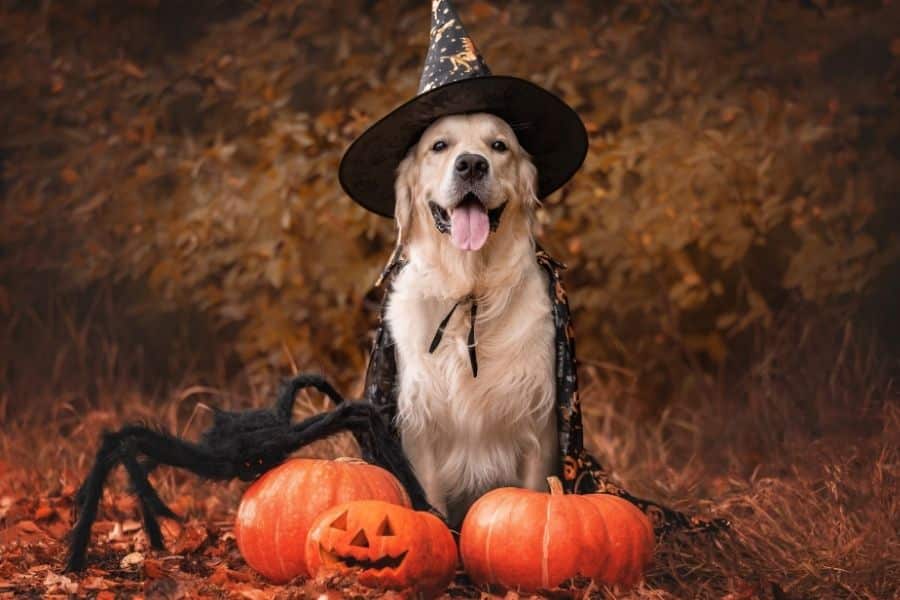
Halloween generates more pet-related veterinary cases in a single night than almost any other event on the annual calendar. The combination of toxic candy, hazardous decorations, stressed animals, and distracted owners creates conditions where incidents that would never happen on an ordinary evening become almost predictable. These Halloween pet safety tips for dog and cat owners are not general reminders to be careful. They are specific, actionable steps that address the actual mechanisms behind the most common Halloween pet emergencies. Every tip here is grounded in what veterinarians actually see in practice every October what causes pets to come through the clinic door, what was missed at home, and what straightforward preparation would have prevented the situation entirely.
Tip 1: Store All Candy in a Sealed Container Out of Pet Reach
This is the highest-priority item on any Halloween dangers pets checklist because it addresses the most common cause of Halloween veterinary cases. Toxic foods Halloween pet owners need to keep secured include every category of Halloween candy, not just the obvious ones. Chocolate, xylitol-containing sugar-free products, raisins hidden in trail mix packets, macadamia nut clusters, and even the physical hazard of wrappers and sticks all warrant complete separation from your pets.
“Out of reach” means a locked cabinet, a high shelf your pet cannot access, or a sealed container in a room pets cannot enter. It does not mean on top of the refrigerator for a cat who climbs or in a bag near the front door for a dog who will investigate it the moment the house gets busy. Treat bags left near the entrance, candy bowls on coffee tables, and loose pieces on the couch are all access points that have caused serious ingestion incidents.
Designate one location before Halloween night and communicate it to every member of the household, including children old enough to understand.
Tip 2: Replace Open-Flame Candles with LED Alternatives
Lit candles in carved pumpkins are one of the most overlooked physical hazards for pets. Cats investigate flickering light by approaching it directly, placing their face close to the flame. A knocked-over candle near dried corn husks, decorative fabric, or a pile of leaves creates a fire hazard immediately.
Battery-operated LED tea lights flicker realistically, last longer than wax candles, and create zero fire or burn risk. This swap takes two minutes and eliminates an entire category of Halloween pet hazard.
Tip 3: Set Up a Safe Room Before Trick-or-Treating Begins
How to prepare pets for Halloween most effectively starts with this step, because it addresses multiple hazards at once. A prepared safe room, a familiar room set up with your pet’s bed, water, food, litter box for cats, and background noise, removes your pet from doorbell exposure, stranger intrusion, decoration hazards, and escape risk simultaneously.
The room should be set up and introduced to your pet before October 31st, so they associate it with a positive experience rather than encountering it as an unknown space for the first time on a stressful night. Move your pet there before trick-or-treating begins, not after the first stressful incident.
Tip 4: Keep All Cats Indoors on Halloween Night
Cats going missing on Halloween night is a documented and recurring event. The increased pedestrian traffic, noise, vehicle activity near roads, and general outdoor chaos of the evening create a genuinely more dangerous outdoor environment than a normal night. This applies to cats of all colors and all levels of outdoor experience.
Bring outdoor cats inside before trick-or-treating begins. Keep them in for the night. This is one of the most direct and effective ways to keep pets safe on Halloween night, a measure available for cat owners.
Tip 5: Check Your Dog Is Microchipped and Tagged
Microchipping is the single most reliable tool for reuniting a lost dog with their owner. A dog that escapes during Halloween’s repeated door-opening events has a dramatically higher chance of being returned if it carries a chip linked to current owner information.
Before Halloween, look up your chip number and verify that your current phone number and address are in the registry. A chip linked to outdated information provides very limited protection. Ensure your dog is also wearing a collar with readable current tags as a visible first line of identification.
Tip 6: Remove or Reposition Hazardous Decorations
Halloween dangers pets checklist must include the decoration audit. Walk through your home from your pet’s eye level and physical reach before decorating. Items that need attention include:
- Synthetic spider webs at floor level (ingestion risk)
- Small plastic props on the floor (choking and obstruction risk)
- Motion-activated decorations in pet-accessible areas (startling and flight risk)
- Essential oil diffusers with fall scents (respiratory and liver toxicity, especially for cats)
- Dangling electrical cords from string lights (chewing and electrocution risk)
Each of these has a safer alternative that still achieves the festive look without the hazard.
Tip 7: Brief Every Household Member on Candy Safety Rules
Toxic foods Halloween pet owners most commonly encounter are accessed not through deliberate feeding but through well-meaning family members, particularly children who want to share their treats with the family pet. A brief conversation with every person in the household before Halloween establishes that no candy goes to the dog or cat, no matter how small the piece or how innocent it seems.
This includes guests. If Halloween guests will be in your home, let them know the same rule applies. The most common pathway from candy to pet is a person who thought one small piece would not matter.
Tip 8: Watch for Stress Signs Throughout the Evening
How to prepare pets for Halloween includes knowing what you are watching for once the night begins. Stress signs in dogs include panting when not warm, pacing, inability to settle, lip licking, and whale eye. In cats, look for hiding, refusal of food, over-grooming, hunched posture, and changes in litter box use.
Catching stress at the early sign stage gives you options you can move the pet to a quieter space before the response escalates. Waiting until the dog is in full barking crisis or the cat has been hiding for an hour narrows what you can do effectively.
Tip 9: Know the Number for a Pet Poison Hotline Before You Need It
Save a pet poison hotline number to your phone now, before Halloween, not in the moment when you are panicked and searching while monitoring your dog. Keep your pet’s current weight accessible; toxicity thresholds are calculated by body weight, and having that number ready speeds up every triage conversation with a veterinary professional.
In Cincinnati, OH, the combination of a densely populated residential area with high Halloween participation means many pets have maximum exposure to the full range of October hazards. Having your veterinarian’s number and a backup poison hotline number ready before the evening begins is practical preparedness, not overcaution.
Tip 10: Do a Sweep After the Evening Ends
Keep pets safe Halloween night by including the post-party cleanup in your safety plan. After the last trick-or-treater, and before your pets have unsupervised access to the home, do a sweep of the floor and common areas.
Look for dropped candy wrappers, glow sticks or glow jewelry left on the floor, small decorative pieces that may have fallen, spilled candle wax, and any other objects your pet should not access. Cats in particular may investigate items dropped between couch cushions or under furniture during overnight hours when the house is quiet and owners are asleep.
The team at Kyle Veterinary Hospital sees Halloween cases every season, and these Halloween pet safety tips for dog and cat owners reflect the patterns we observe year after year. Great veterinary care also means helping your pet stay out of the clinic on nights like this one. That starts with preparation. Book an appointment today.
Frequently Asked Questions
Q: What is the most important Halloween pet safety tip?
Ans: Storing all candy in a sealed, elevated, inaccessible location before Halloween night begins is the single step that prevents the highest volume of veterinary cases. Chocolate and xylitol toxicity represent the largest share of Halloween pet emergencies, and they are almost entirely preventable through access control.
Q: How do I know if my pet needs to go to the vet after Halloween?
Ans: Contact your veterinarian if your pet shows vomiting, diarrhea, trembling, lethargy, changes in heart rate or breathing, pale or yellow gums, loss of coordination, or any sign of distress after possible candy or decoration exposure. For specific toxins like xylitol and dark chocolate, call your vet before any symptoms appear waiting for symptoms means waiting too long.
Q: Are there any Halloween decorations that are always safe around pets?
Ans: Battery-operated LED candles, large fabric pumpkins or soft plush decorations, oversized wooden carved pieces with no small breakaway parts, and reflective fabric banners are among the safer options. The key criteria are no open flame, no small parts, no synthetic strands, and no essential oils or seasonal chemical scents.
Q: My cat is indoor-only, but I have a dog door. Is that a problem on Halloween?
Ans: Yes. Any opening that allows a pet to access the outside should be secured on Halloween night. A dog door creates an escape route for an anxious or startled pet and a potential entry point for outdoor hazards. Secure or block the dog door for the duration of the evening.
Q: Should I give my pet a calming supplement on Halloween?
Ans: Some dogs and cats respond positively to commercially available calming supplements, particularly those containing L-theanine. Speak with your veterinarian about whether a supplement is appropriate for your specific pet and what product and dosage to use. For pets with significant anxiety disorders, a veterinary consultation before Halloween is more appropriate than an over-the-counter supplement alone.