Hablamos Español
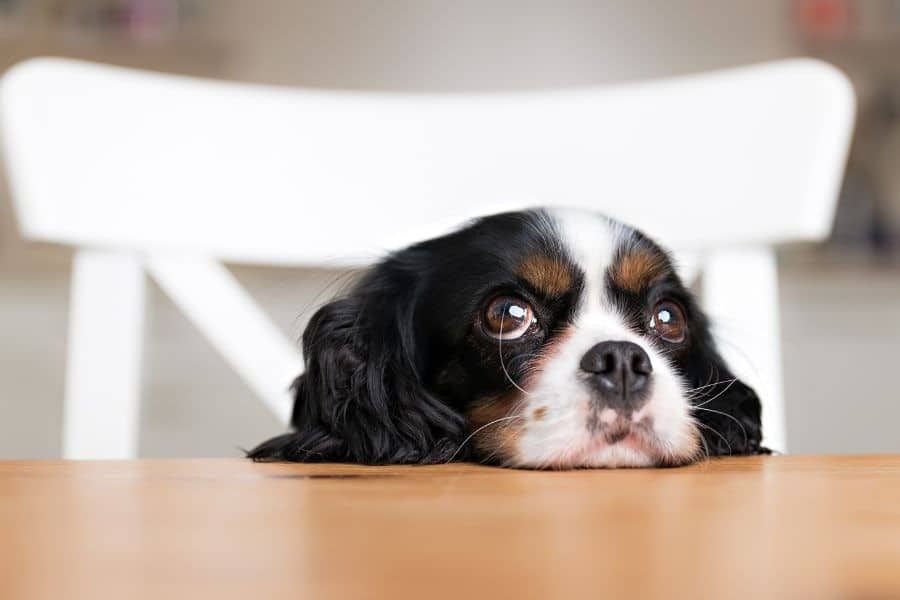
You go to call your dog for dinner, and they do not come. You find them tucked behind the couch, under the bed, or pressed into the corner of a closet. They are not asleep. They are still. Their eyes look dull. Something is wrong, and you know it. A dog hiding and acting sick is one of the clearest signals a pet can send that something inside their body is not right. Dogs do not hide to be dramatic. They hide because they are wired to conceal vulnerability, and that instinct becomes most powerful when they are in pain or distress. The question most owners face in that moment is not whether to be concerned but how urgently they need to act. This guide explains why dogs hide when ill, what other symptoms to watch alongside hiding, and exactly when same-day veterinary attention is the right call.
Why Do Dogs Hide When They Feel Sick?
Dogs hide when they feel sick because their instincts drive them to find a quiet, enclosed space when they are vulnerable. This behavior traces back to ancestral survival patterns. A dog showing weakness in the wild risks becoming a target. Concealment is protection.
Domestic dogs retain this instinct completely. Even a well-loved dog in a safe home will retreat when they are in pain, nauseated, or frightened by something happening inside their body. The hiding is not a choice. It is an automatic response.
This matters for pet owners because it means a dog that is hiding is often already past the point of mild discomfort. Healthy dogs do not typically seek isolation. When they do, the body is usually signaling something significant.
Sick Dog Behavior Changes That Appear Alongside Hiding
When a dog hides, the behavior rarely appears alone. Watching for other sick dog behavior changes alongside the hiding gives you a more complete picture of what is happening and how urgent the situation is.
Watch for these signs:
- Refusing food or water: A dog that turns away from a meal or has not touched their water bowl in several hours is showing a level of distress that goes beyond a temporary upset.
- Unusual stillness or lethargy: A dog that normally greets you at the door and now will not lift their head is communicating something through that stillness.
- Trembling or shaking: Shaking without an obvious cause like cold or fear often signals pain, nausea, or a neurological issue.
- Panting at rest: Panting in the absence of heat or exercise is a pain response in many dogs. It should not be dismissed.
- Whimpering or flinching when touched: Vocalization or pulling away during gentle contact points directly to pain in a specific area.
- Changes in posture: A dog standing hunched, arching their back, or reluctant to lie down flat is likely experiencing abdominal or spinal discomfort.
In our experience, owners who bring their dogs in for hiding often report that the dog had been slightly off for a day or two before the hiding became obvious. That earlier window is the one to act on.
What Causes a Dog to Hide and Act Unwell?
Understanding the causes behind dog not eating or moving helps owners respond with the right level of urgency.
Gastrointestinal distress is one of the most common triggers. Dogs that have eaten something inappropriate, developed pancreatitis, or are experiencing bloat will often seek solitude as the discomfort builds. Bloat in particular is a life-threatening condition where the stomach fills with gas and may rotate. Large and deep-chested breeds are at higher risk, and the condition can progress to a critical stage within hours.
Pain from injury is another frequent cause. A dog that twisted a leg on a walk, landed badly from a jump, or has developing arthritis may hide because movement intensifies the discomfort. They are not being lazy. They are protecting themselves.
Systemic illness, including kidney disease, liver problems, and infections, often surfaces first as behavioral withdrawal before any specific physical symptom becomes visible. Toxin ingestion is also a concern. Dogs that have gotten into a garbage can, consumed a plant, or been exposed to a household chemical may begin hiding as the toxin takes effect.
In Cincinnati, where Ohio winters bring pets indoors for longer stretches, dogs sometimes experience seasonal stress, reduced exercise, and changes in routine that contribute to GI upset and behavioral changes. This does not mean every episode of hiding is serious, but it does mean owners should track any deviation from their dog’s normal pattern carefully.
How Vets Assess a Dog That Is Hiding and Unwell
When you bring in a dog showing these signs, the veterinary team moves through a focused diagnostic process to identify the cause.
- Complete physical exam: The vet checks temperature, heart rate, respiratory rate, lymph nodes, abdomen, and gum color. Pale, white, or blue gums are always an immediate concern.
- Abdominal palpation: The vet feels the belly for distension, pain response, or abnormal masses.
- Blood panel: A full chemistry panel and blood count reveal organ function, infection, anemia, and electrolyte imbalances.
- Imaging: X-rays or ultrasound help identify blockages, fluid accumulation, bloat, or structural abnormalities.
- Urinalysis: Urine testing provides additional information on kidney function and potential infection.
- Toxicology screening: If poisoning is suspected based on history or symptoms, targeted testing may be recommended.
Pet owners often tell us they are relieved once the exam begins because they finally have information to work with instead of waiting at home and wondering. We see this frequently with dogs that are hiding and unwell. The earlier a dog is evaluated, the more treatment options remain available and the easier recovery tends to be.
When Dog Pain Signs at Home Mean You Should Not Wait
Knowing when to take dog to vet requires you to look at the combination of symptoms, not just the hiding alone.
Dog pain signs at home that warrant same-day care include hiding combined with any of the following: not eating or drinking for more than 8 hours, a distended or hard abdomen, pale or discolored gums, repeated vomiting, blood in stool or vomit, inability to stand or walk normally, labored breathing, or known or suspected exposure to a toxin.
Kyle Veterinary Hospital provides thorough, same-day evaluations for dogs showing these signs. The team in Cincinnati understands how distressing it is to watch your dog retreat and not know why. When your dog is hiding and acting unwell, the right call is to seek care rather than wait another day to see if things improve. Call us at 513-469-7654 and describe what you are observing. Our team will help you decide the right next step. Waiting on a dog showing multiple symptoms is a risk that pet urgent care is specifically designed to address.
What to Do While You Wait to Be Seen
If you are preparing to take your dog to the vet, there are a few things you can do at home to help and a few things to avoid.
Keep your dog calm and in a comfortable, quiet space. Do not force them to move, eat, or drink if they are resisting. Note the timeline of symptoms: when you first noticed the hiding, whether they ate their last meal, and any recent changes to food, environment, or outdoor access.
Do not give your dog human pain medications. Ibuprofen, acetaminophen, and aspirin are all toxic to dogs and can cause serious harm. Do not induce vomiting unless a vet specifically instructs you to do so after being told what the dog ingested. Your observations and a clear timeline are the most valuable tools you can bring to the appointment.
Conclusion
A dog hiding acting sick is not being dramatic. It is communicating through the only language available to it: behavior. Hiding, combined with changes in eating, energy, posture, or breathing, is a combination that deserves same-day attention rather than a wait-and-see approach. The causes range from manageable GI upset to serious conditions that progress quickly without treatment. Knowing what to watch for, documenting the timeline, and acting before symptoms worsen are the most important things a dog owner can do in these moments. Kyle Veterinary Hospital is here to help you move from worry to answers as quickly as possible. Book an appointment today.
Frequently Asked Questions
Q: Why is my dog hiding under the bed and not eating?
Ans: Hiding combined with food refusal is a strong signal that your dog is in pain or feeling significantly unwell. Common causes include gastrointestinal distress, injury, infection, or toxin ingestion. A same-day vet evaluation is appropriate when these two symptoms appear together.
Q: Is it normal for a dog to hide when sick?
Ans: Yes, it is a natural instinct. Dogs are wired to conceal vulnerability, so retreating to a quiet enclosed space is a common response when they feel unwell or in pain. The behavior itself is not dangerous, but what causes it often requires veterinary attention.
Q: How do I know if my dog is in pain?
Ans: Signs of pain in dogs include hiding, trembling, panting at rest, refusing to eat or drink, flinching when touched, unusual posture, and reluctance to move. Dogs rarely vocalize pain directly, so behavioral changes are your most reliable indicator.
Q: When should I be worried about my dog hiding?
Ans: Be concerned if hiding is accompanied by other symptoms such as not eating for more than 8 hours, vomiting, diarrhea, pale gums, breathing changes, or a distended belly. Any of these combinations warrant a call to your vet the same day.
Q: Can stress cause a dog to hide and act sick?
Ans: Yes. Significant stress from changes in household routine, loud events, or new environments can cause dogs to hide and temporarily lose interest in food. However, stress-related hiding typically resolves within a few hours. If it persists beyond that or comes with physical symptoms, a veterinary evaluation is the right next step.