
Hablamos Español
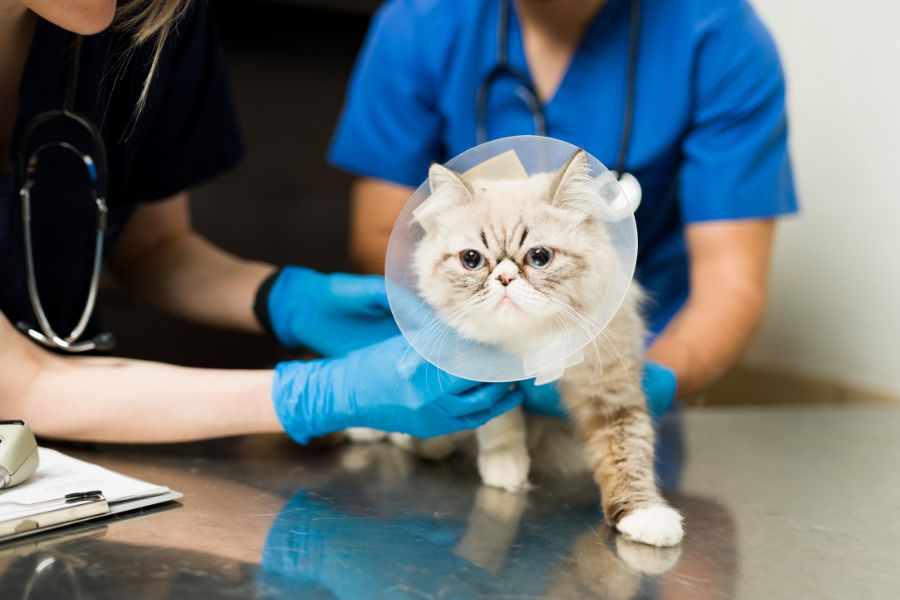
Pets stay healthier when care starts early and continues regularly. Preventive routines help reduce the chances of sudden illness and support steady growth throughout every life stage. Instead of waiting for symptoms, regular monitoring allows small health changes to be noticed and managed in time. It helps pets enjoy more stable energy, better comfort, and fewer unexpected medical concerns over the years.
This blog is especially for pet owners of Cincinnati, OH, who want simple guidance on keeping pets healthy through everyday habits that feel realistic and easy to maintain. Many pet owners seek clear guidance that fits into busy schedules while still improving long-term wellness. Preventive care makes that possible through early attention, steady monitoring, and practical routines that support healthier lives for pets in a natural way.
1. Catching Health Problems Before They Grow
Early Monitoring Improves Long-Term Outcomes
Regular checkups help detect these early changes and prevent them from becoming serious. A structured approach to care allows pet owners to stay ahead of problems rather than react in emergencies.
A veterinary exam helps identify hidden concerns that are not easy to notice at home. Small changes in weight, behavior, or energy levels can signal the development of health conditions. Addressing these signs early improves comfort and reduces stress for both pets and families over time.
- Regular observation helps detect subtle changes early: Small shifts in appetite or movement may signal underlying health concerns that require attention before they worsen.
- Routine screenings reduce long-term complications: Early identification helps avoid advanced illness that may require complex treatment later.
- Consistent tracking builds a clearer health history: A complete record helps guide better care decisions as pets grow older.
2. Stronger Defense Against Common Illnesses
Protection Through Consistent Preventive Steps
Preventing disease is one of the strongest reasons for regular care. Pets can be exposed to infections, parasites, and viruses through outdoor activity or contact with other animals. Routine protection helps reduce these risks and keeps pets healthier throughout different seasons and environments.
Ongoing protection reduces the risk of serious illness and supports long-term health stability. Preventive steps create a stronger defense system that works continuously in the background.
- Vaccinations help protect against serious diseases: They reduce the risk of infections that can spread quickly among animals.
- Parasite control prevents discomfort and illness: Fleas, ticks, and worms can affect overall health if not managed early.
- Seasonal care adjustments improve protection levels: Different weather conditions bring different risks that require updated care plans.
3. Balanced Weight and Energy Control
Healthy Body Weight Supports Daily Comfort
Maintaining a healthy weight is important for movement, energy, and long-term health. Even small weight changes can affect joints and overall comfort.
Proper balance helps improve energy and reduces strain on the body. When weight is managed well, pets tend to move more comfortably and enjoy daily activities without unnecessary stress.
- Proper feeding supports steady energy levels: Balanced meals help pets stay active throughout the day.
- Controlled portions reduce the risk of obesity: Preventing excess weight helps protect joints and internal organs.
- Activity planning improves overall fitness: Regular movement supports long-term physical strength and mobility.
4. Healthier Teeth and Better Comfort
Oral Care That Impacts Whole-Body Health
Dental health affects eating habits, digestion, and comfort levels. Many oral problems develop slowly, making them difficult to detect without regular care. Preventive attention helps reduce pain, infection, and long-term complications that may affect daily life.
A veterinary check includes examining teeth and gums for early signs of disease. Addressing dental concerns early helps maintain comfort and improves overall well-being. Healthy teeth also support better nutrition and reduce the risks associated with oral infections.
- Regular cleaning reduces plaque buildup: This prevents gum disease and tooth decay over time.
- Early detection avoids painful dental issues: Identifying problems early improves treatment success.
- Oral health supports better digestion: Healthy teeth make eating easier and more comfortable.
5. Fewer Emergency Situations Over Time
Early Care Helps Prevent Sudden Health Crises
Preventive care reduces the chance of unexpected health emergencies by catching small problems before they grow. A veterinary check helps spot changes in breathing, appetite, movement, or behavior that may signal a developing issue. It helps create a more stable and predictable health pattern throughout the year.
- Early detection reduces sudden health breakdowns: Small concerns are addressed before they become urgent medical situations.
- Routine monitoring improves safety at home: Regular checks help identify risks that may not be visible to owners.
- Consistent care lowers stress during health changes: Pets adjust better when issues are addressed early rather than during emergencies.
6. Understanding Behavior Changes Through Health Checks
Health Conditions Often Affect Behavior
Changes in behavior can signal underlying health concerns. Pets may become less active, eat differently, or show mood changes when something is wrong. Regular monitoring helps identify whether these changes are medical or environmental.
A vet evaluates these shifts and helps determine the cause. When health-related issues are treated early, behavior often returns to normal. It improves daily routines and helps pets feel more comfortable in their surroundings.
- Behavior changes may signal hidden illness: Early attention helps prevent worsening health conditions.
- Health evaluation improves understanding of needs: Clear diagnosis supports better care decisions.
- Timely care restores normal routines: Pets often return to stable behavior after treatment.
7. Strong Immune Protection Through Routine Care
Building Long-Term Resistance to Illness
A strong immune system helps pets fight infections and recover faster. Preventive care includes vaccinations and parasite control that strengthen natural defenses. These steps are important for long-term protection against common health threats.
A veterinary plan ensures that immunity stays up to date based on age and lifestyle, and helps maintain consistent protection as pets grow and their exposure risks change.
- Vaccines strengthen the immune response: Protect against preventable, serious illnesses.
- Regular care improves recovery speed: Strong immunity helps pets heal faster.
- Updated protection adapts to lifestyle changes: Care adjusts as pets age or their environments shift.
8. Easier Aging Process for Older Pets
Supporting Comfort in Senior Years
Older pets require more attention as their bodies change. Senior care plans often adjust feeding, activity, and rest routines. A vet helps guide these changes based on individual needs, improving daily comfort and supporting smoother aging.
- Early detection improves senior comfort: Health changes are managed before they become severe.
- Adjusted routines support mobility: Small lifestyle changes improve movement and energy.
- Ongoing monitoring maintains quality of life: Regular care helps pets age more comfortably.
9. Full Body Monitoring Through Wellness Exams
Complete Health Tracking in One Visit
A pet wellness exam helps evaluate overall health rather than focusing on a single issue. It includes physical checks, weight tracking, and lifestyle discussions that provide a complete view of health status.
A veterinary review during these exams helps detect early changes and build a long-term health record. It helps improve future care planning and ensures consistent monitoring.
- Full-body evaluation improves awareness: Overall health is checked in a structured way.
- Early tracking prevents future complications: Small concerns are identified before they grow.
- Health records improve decision-making: History helps guide better care plans.
10. Stable Daily Routine for Better Wellbeing
Consistency Builds Health Confidence
Routine care helps pets feel secure and balanced in their daily life. Predictable feeding, exercise, and monitoring reduce stress and improve behavior. Stability supports both emotional and physical health.
- Predictable routines reduce stress levels: Pets feel more comfortable with consistency.
- Regular care prevents sudden health changes: Early action keeps conditions under control.
- Stable habits improve overall well-being: Consistency supports long-term health balance.
Building Strong Health Habits for Pets Early
Veterinary preventive care helps pets stay healthier by focusing on early detection, steady monitoring, and simple daily habits that reduce health risks before they grow. It strengthens immunity, supports more stable behavior, and improves overall comfort across all life stages. Pets do best when care remains consistent, rather than only stepping in after illness begins or symptoms become harder to manage.
Kyle Veterinary Hospital provides preventive care focused on keeping pets healthy at every stage of life. Regular attention helps identify early health changes and supports better daily comfort for pets through structured and simple care planning that fits real household needs.
If you are in Cincinnati and want reliable preventive care for your pet, book an appointment with Kyle Veterinary Hospital today. Our veterinary team guides every step of care with clear planning, early monitoring, and attention to detail that improve pets’ long-term health and daily comfort.
Frequently Asked Questions
1. Why is preventive care important even for young pets?
Ans: Preventive care helps young pets build strong health foundations early. Regular checkups detect small changes before they grow into problems. Early attention improves immunity, behavior, and long-term development, helping pets stay healthier as they grow older.
2. How does preventive care reduce emergency visits?
Ans: Preventive care identifies health concerns early before they become serious. Regular monitoring allows timely treatment of small issues, reducing the chance of sudden emergencies. It helps pets avoid stressful situations and supports more stable health over time.
3. What happens during a routine preventive visit?
Ans: A routine visit includes a full physical check, weight monitoring, and health review. The process helps identify early changes and ensures vaccinations and care plans are up to date. It provides a complete view of a pet’s overall health.
4. Can preventive care improve daily behavior in pets?
Ans: Yes, behavior often improves when health issues are identified early. Many behavior changes are linked to physical discomfort or illness. Addressing these concerns helps pets return to normal routines and feel more comfortable in their daily environment.